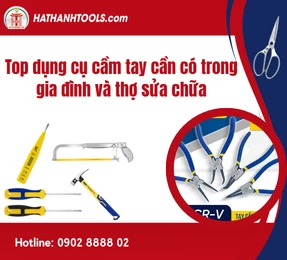
Voltage Tester Pen vs. Voltage Detector: Which Should You Choose?
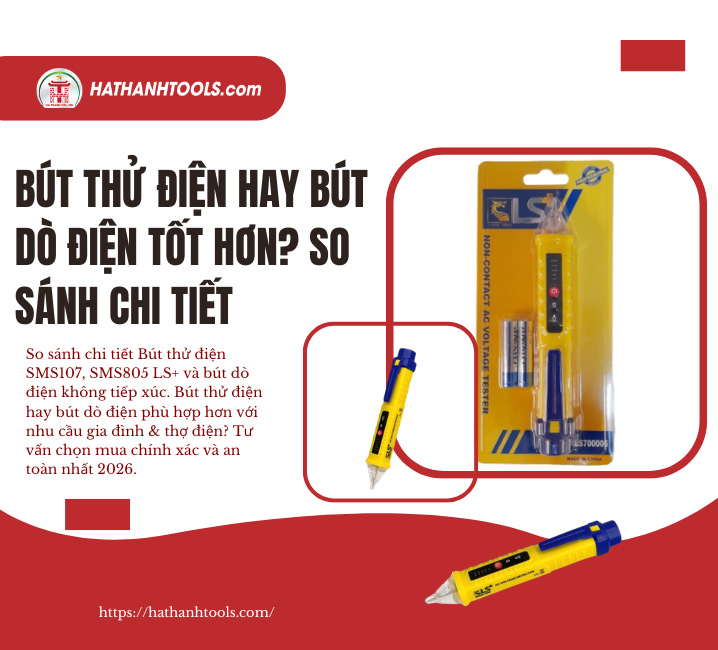
In the realm of electrical hand tools, the voltage tester pen is one of the most familiar and essential instruments. Whether you are a professional electrician, a construction worker, or simply a homeowner who frequently handles DIY electrical repairs, understanding the difference between a voltage tester pen and a voltage detector will help you choose the right tool, enhance work efficiency, and ensure maximum safety.
Clear Definitions From the Start
A voltage tester pen (commonly referred to as a contact voltage tester) is a device that checks voltage by making direct physical contact between its metal tip and the conductor or test point. It operates on the principle of a small current flowing through the pen's body and illuminating a neon or LED light when voltage is detected.
A voltage detector (or non-contact voltage detector) utilizes electric field sensing technology to detect AC voltage without direct contact with the conductor's core. These devices typically signal with an LED light, a beep sound, or a digital display.
In the market, these two terms are sometimes used interchangeably. In this article, we will standardize the terminology for easier understanding:
-
Contact Voltage Tester: The traditional type, performs direct testing (commonly 100-500V).
-
Voltage Detector & Tester: Includes LED and digital display types (12-250V).
-
Non-Contact Voltage Detector: The advanced inductive type, offering the highest safety by not requiring physical contact.
Understanding the differences correctly will help you select the most suitable hand tool for your needs.
What is a Contact Voltage Tester?
A contact voltage tester is the classic version of a handheld electrical testing tool. It features a sturdy insulated plastic body, a sharp or screwdriver-like metal tip, and an indicator (neon or LED).
Principle of Operation
When the tip of the pen touches a live wire or a point with voltage, a very small (safe) current flows through an internal resistor, through the user's body (acting as ground), and illuminates the indicator light. This is why you often need to touch the metal contact at the end of the pen with your finger.
Key Advantages of Contact Voltage Testers
-
Compact design, durable, and affordable.
-
Suitable for quick checks of outlets, live wires, and plugs.
-
No batteries required, operates instantly.
-
High durability, easy to carry in a tool kit.
At Hathanhtools, contact voltage tester models like the SMS9115 LS+ Voltage Tester and SMS107 LS+ Voltage Tester are trusted by many technicians for their stable quality and reasonable prices.
These hand tools help quickly check for power before proceeding with repairs.
The SMS107 LS+ Voltage Tester is particularly popular for household use and electricians' toolkits due to its compact design and high durability. Meanwhile, the SMS9115 LS+ Voltage Tester offers a more robust feel with its premium materials.
What is a Non-Contact Voltage Detector?
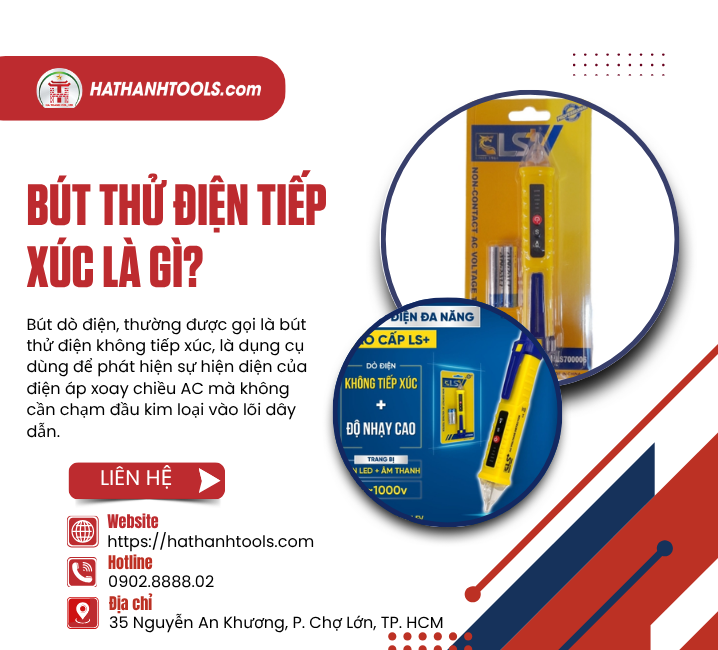
A non-contact voltage detector represents a more modern generation of handheld tools. This device operates using alternating current (AC) electric field sensing technology without requiring direct metal contact with the conductor.
How It Works
When the tip of the pen is brought near an electrical wire (even with insulation), the device detects changes in the electric field and signals through:
-
LED light illumination.
-
Audible beep.
-
Digital display (for models with numerical readings).
-
Sometimes, vibration.
The SMS805 LS+ Digital Voltage Tester and the LS+ Advanced Multi-function Voltage Detector are two excellent representatives of the non-contact category at Hathanhtools. They support testing from 12V to 1000V, making them very convenient for domestic and semi-industrial applications.
Advantages of Non-Contact Voltage Detectors
-
Higher safety due to minimized direct contact.
-
Can test wires with insulation, and partially detect wires within walls.
-
Multiple additional features: flashlight, low battery indicator, sensitivity adjustment.
-
Suitable for quick checks at multiple locations without disassembly.
However, voltage detectors can be affected by thick insulation, electromagnetic interference, or low battery levels.
Voltage Tester Pen vs. Voltage Detector: Which is Better?
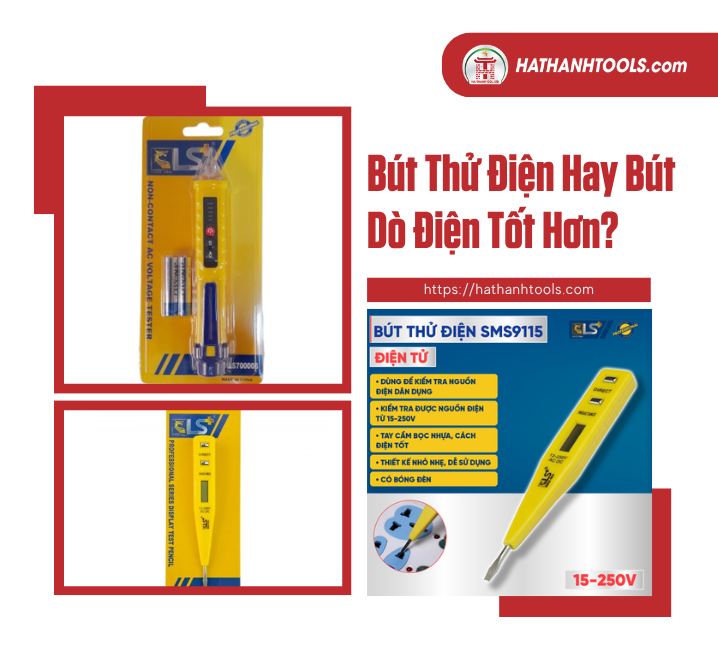
The short answer: Neither is absolutely better. The appropriate hand tool varies depending on the intended use.
When to Choose a Contact Voltage Tester?
-
Only need to check outlets and exposed wires.
-
Basic usage needs, limited budget.
-
You are a knowledgeable user and always follow safety procedures correctly.
-
Prioritize compact tools that don't require batteries.
The SMS107 LS+ and SMS9115 LS+ Voltage Testers are ideal choices for these situations.
When to Choose a Non-Contact Voltage Detector?
-
Frequently testing wires with insulation or wires within walls.
-
Working in confined spaces or areas with many devices.
-
Want to minimize the risk of direct contact.
-
Need clear audible and visual alerts.
The SMS805 LS+ Digital Voltage Tester and the LS+ Advanced Multi-function Voltage Detector will excellently meet these needs with their modern features.
Professional electricians should possess both types of voltage testers in their toolkit. Detectors are used for quick preliminary checks, while contact testers are used for precise confirmation before performing work.
Detailed Comparison: Voltage Tester vs. Voltage Detector:
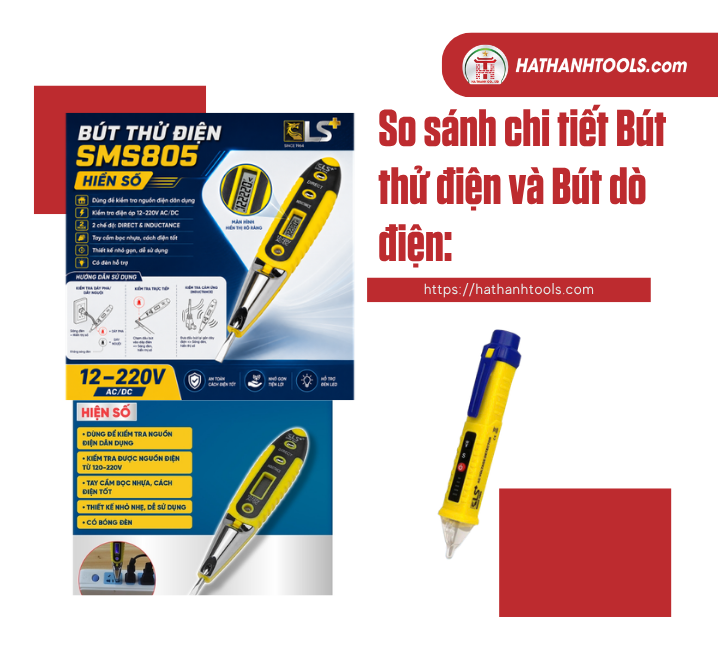
Contact voltage testers (like SMS107 LS+, SMS9115 LS+) require direct metal tip contact with the conductor, operate without batteries, have a common voltage range of 100-500V, are inexpensive, and have a compact design, suitable for quick checks of outlets and exposed wires.
Non-contact voltage detectors (like SMS805 LS+, LS+ multi-function detector) use electric field sensing, do not require contact, have a wide measurement range of 12-1000V, typically use batteries, feature LED, audible, and digital display alerts, offer higher safety, and easily test insulated wires.
In summary: Contact testers are simple, durable, and cheap; non-contact detectors are modern, safer, and more versatile. Professional electricians should use both types of hand tools for the most effective and safest testing.
Can a Voltage Detector Replace a Multimeter?
The clear answer is No.
Voltage detectors (including non-contact types) only help detect the presence of AC voltage. They cannot replace a multimeter for accurately measuring voltage, current, resistance, or performing continuity tests.
When you need to confirm a circuit is completely de-energized before performing repairs, you must use a specialized contact measuring device in conjunction with safe Lockout-Tagout (LOTO) procedures. Relying solely on a voltage tester or detector can lead to serious accidents.
What is a Voltage Detector? Detailed Functions
A voltage detector, often understood as a non-contact voltage tester, is a handheld tool specifically designed to detect AC voltage through electric field sensing.
Main Functions of a Voltage Detector
-
Quickly check if wires, outlets, or switches are live.
-
Identify live (phase) and neutral wires.
-
Preliminary detection of power outages or leaks.
-
Test lighting fixtures, circuit breakers, and disconnect switches.
-
Assist in checking wires within walls (partially effective).
With the LS+ Advanced Multi-function Voltage Detector, you can perform more tasks thanks to its sensitive sensor and user-friendly design.
7 Criteria for Choosing a Quality Voltage Tester / Detector
-
Appropriate Voltage Range — Opt for a model covering 12V-1000V for general household use.
-
Safety Rating (CAT) — CAT II for homes, CAT III for light industrial, CAT IV for outdoor environments.
-
AC/DC Support — Most only detect AC; check specifications for DC functionality.
-
Sensitivity and Adjustability — Crucial for non-contact testers.
-
LED Light, Buzzer, and Display — Enhance user experience.
-
Auto-check battery and auto-off features.
-
Reputable brand, clear warranty — Such as LS+ at Hathanhtools.
Safe Usage Guide for Voltage Detectors
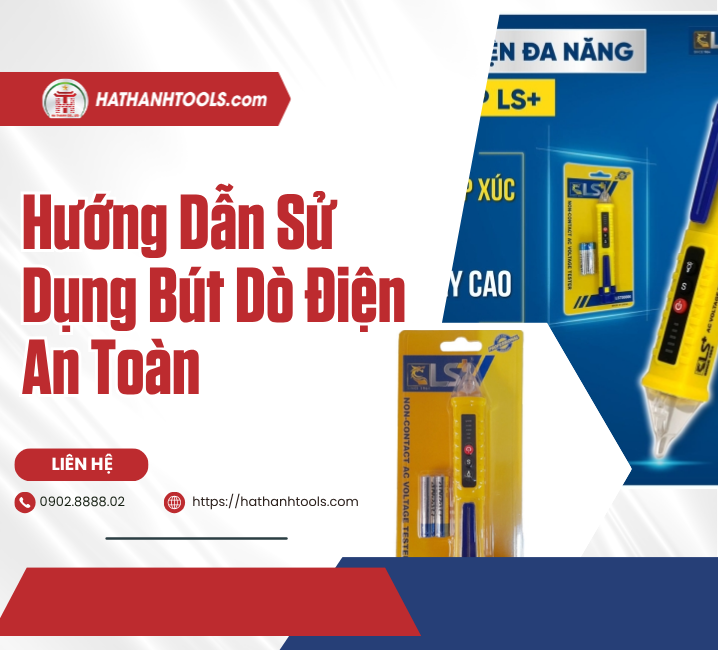
To use voltage testers effectively and safely:
-
Always read the manufacturer's instructions carefully.
-
Test the pen on a known live source before and after use.
-
Do not use outside the specified voltage range.
-
Avoid wet environments unless the device is waterproof certified.
-
Never rely solely on the results of a single test.
Important Note: Even if the pen shows no indication, always confirm with multiple methods before proceeding with work.
Reasons for False Readings on Voltage Detectors
-
Low or dead battery.
-
Excessively thick insulation.
-
Voltage below the detection threshold.
-
Incorrect grounding contact (for contact types).
-
Electromagnetic interference from nearby wires.
-
Improper sensitivity settings.
-
Damaged equipment.
Frequently Asked Questions About Voltage Testers
1. Can a voltage detector measure direct current (DC)?
Most only detect AC. Some advanced models offer limited DC support.
2. Can a voltage tester find a broken wire in a wall?
It can assist partially with sensitive non-contact types, but it cannot replace a specialized wire tracer.
3. If a voltage tester doesn't light up, does it mean there's no power?
No. You must re-test multiple times and confirm with another device.
4. Do inductive voltage testers require batteries?
Yes, most non-contact types need batteries to operate their sensors.
5. Which type should a homeowner buy?
Prioritize non-contact voltage detectors like the SMS805 LS+ or the LS+ multi-function model for safety and ease of use.
6. What do CAT II, CAT III, and CAT IV ratings mean?
These are transient voltage (surge) protection levels. Higher CAT ratings are suitable for more hazardous environments.
7. Where should I buy a reliable voltage tester?
Choose authorized distributors like Hathanhtools for good warranty service.
Contact Information
Ha Thanh One Member Company Limited – Ho Chi Minh City Branch
Hotline: 0902 8888 02
Address: 35 Nguyen An Khuong, Cho Lon Ward, Ho Chi Minh City
Email: cskh@hathanhtools.com
Website: https://hathanhtools.com
Tax Code: 0100108529-006