Distinguishing Double-Ended and Striking Screwdrivers – A Guide to Choosing the Right Tool for Mechanics
In the toolkit of any mechanic, electrician, or household user, a convenient double-ended screwdriver or a heavy-duty striking screwdriver is an indispensable item. However, faced with a myriad of designs, many new users often get confused when distinguishing between double-ended and striking screwdrivers. These two product lines may appear similar in their screw-driving function, but their core steel structure, handle material, and load-bearing purpose are entirely different. Confusing their functions can not only damage the tool but also risk stripping your screw heads.
To help users optimize work efficiency and purchasing budgets, understanding their technical characteristics is essential. A striking screwdriver is designed to withstand hammer blows for rusted screws, while a double-ended screwdriver excels in compactness and versatile bit swapping. Mastering the distinction between these two types will enable you to perform tasks more safely and professionally.
With extensive experience in supplying quality hand tools, Ha Thanh Co., Ltd. Ho Chi Minh City Branch will provide an in-depth analysis to help you differentiate between double-ended and striking screwdrivers. This will enable you to easily select the right product that suits your repair intensity, from motorcycle maintenance to industrial machinery overhauls.
Contact us now: 0902 8888 02
Overview of Construction for Distinguishing Double-Ended and Striking Screwdrivers
Design Structure Defines Tool Function
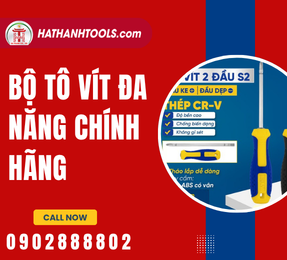
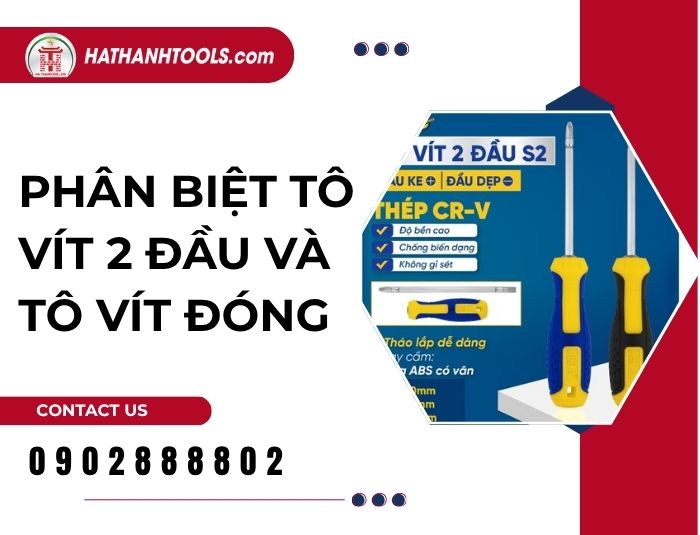
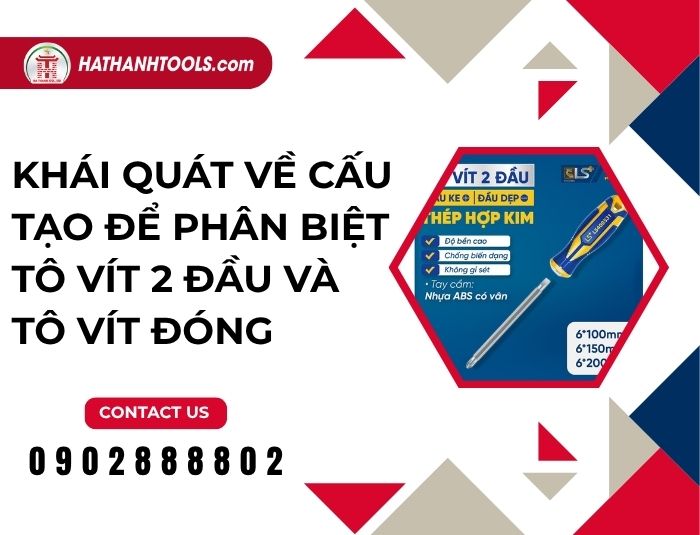
The most fundamental difference to distinguish between double-ended and striking screwdrivers lies in the integral nature of the steel shaft. Double-ended screwdrivers have a removable steel shaft that can be easily reversed between a Phillips (+) and a flat-head (-) bit, inserted into a hollow plastic handle. Conversely, striking screwdrivers feature a solid, one-piece steel shaft that runs through the entire length of the plastic handle, with a metal striking cap exposed at the end of the handle.
Understanding this design principle will benefit the user by:
-
Applying the correct leverage and striking force without breaking the tool's plastic handle.
-
Accurately selecting a one-piece striking screwdriver for removing screws with stripped threads or stubborn rust.
-
Leveraging the flexibility of double-ended screwdrivers for light household tasks.
-
Avoiding the purchase of incorrect tools, which can lead to waste and safety hazards during use.
Assess Actual Needs Before Purchasing
Whether you are a plumber, electrician, or mechanic, asking yourself questions before buying is a wise step to avoid getting lost in the sea of tools:
-
Does your work environment require you to handle small electronic screws or large engine bolts?
-
Do you frequently need to use a hammer to strike and loosen stubborn screws?
-
Does your toolbox have enough space, or do you need maximum compactness?
-
Do the torque requirements of the machinery and equipment demand high performance?
Answering these questions will make distinguishing between double-ended and striking screwdrivers practical, helping you choose the perfect screwdriver.
Contact us now: 0902 8888 02
In-Depth Details: Distinguishing Double-Ended and Striking Screwdrivers
Double-Ended Screwdriver – The Flexible, Space-Saving Solution
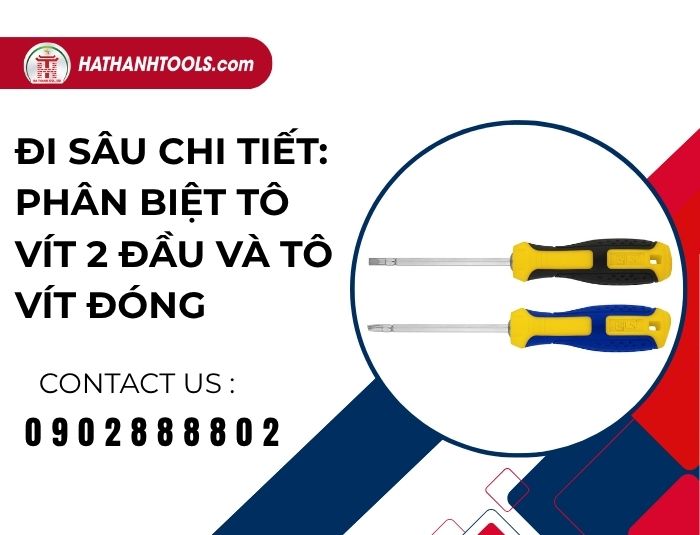
Representing smart convenience, the double-ended screwdriver (or reversible screwdriver) is an extremely popular tool for households. With a steel shaft designed with a ball detent locking mechanism, you can easily remove and switch between a Phillips and a flat-head bit in 3 seconds. Its characteristics include:
-
Buy one, get two; saving half the space in your portable toolkit.
-
The shaft is usually made of transparent plastic or lightweight rubber.
-
The shaft length can be adjustable in some upgraded versions.
-
Excellent for repairing household electrical appliances, disassembling motorcycle plastic covers, and door hinges.
However, its drawback is the separate core, which can lead to slight play, and it cannot transmit 100% of its power if encountering overly stubborn nuts.
Contact us now: 0902 8888 02
Striking Screwdriver – The "Brute Force" Champion for Rusted Screws
If you need to distinguish between double-ended and striking screwdrivers based on strength, the striking screwdriver is a "tank." Its design is unique in that the steel shaft (often hexagonal for wrench assistance) runs through the entire handle and connects to a metal cap at the end.
-
Allows strong hammer blows to the end to create vibrations, breaking the rusted structure of the screw.
-
The impact force is transmitted directly from the end to the screwdriver tip, bypassing the plastic handle and preventing it from breaking.
-
The handle is typically oversized and covered with high-friction TPR rubber.
-
It is an essential tool in auto repair shops and undercarriage maintenance.
With a one-piece forged steel screwdriver of the striking type, even the most stubborn, long-rusted screws will yield to a hammer blow and a powerful twist.
Practical Experience in Choosing and Using Screwdrivers
Never Use a Double-Ended Screwdriver for Hammering
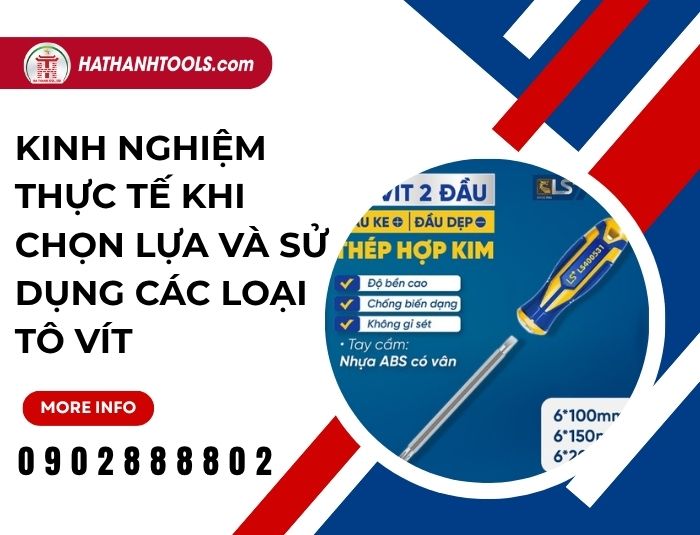
The most costly mistake for beginners learning to distinguish between double-ended and striking screwdrivers is hitting the end of a double-ended screwdriver with a hammer. The steel core of this type is merely inserted into a plastic detent. A hammer blow will shatter the internal locking mechanism, pierce the plastic handle, and potentially injure your hand – it is extremely dangerous.
-
Only use double-ended screwdrivers for regular hand-turning.
-
Identify a striking screwdriver by checking if the end of the handle has a metal cap (striking surface).
Contact us now: 0902 8888 02
Absolutely Do Not Confuse Functions During Operation
The tip of a striking screwdriver is hardened (heat-treated) to be significantly tougher than that of a regular screwdriver. Using the correct tool helps protect the screw head from stripping. If you try to pry out an engine bolt with a double-ended screwdriver, you risk damaging the screwdriver's tip.
-
Striking screwdrivers have hexagonal shafts, allowing you to use a wrench for extreme torque application.
-
Double-ended screwdrivers have smooth, round shafts, prioritizing fast turning and lightweight convenience.
Pay Attention to Magnetic Quality (Magnetism) at the Tip
Regardless of which type you choose, a good screwdriver must have a strong magnetic tip. This feature helps hold tiny screws securely, preventing them from falling into deep crevices within an engine, saving mechanics countless hours of searching.
Benefits of Knowing How to Distinguish Double-Ended and Striking Screwdrivers at Ha Thanh
Optimize Your Personal Repair Toolkit
Ha Thanh Co., Ltd. Ho Chi Minh City Branch always provides detailed guidance to help customers distinguish between double-ended and striking screwdrivers. By equipping yourself with the right combo: a double-ended one for miscellaneous tasks and a set of striking screwdrivers for challenging jobs, your toolbox will become more professional and fully capable.
Ensure Absolute Workplace Safety
Using the correct through-shaft screwdriver (striking screwdriver) for hammer strikes completely eliminates the risk of the plastic handle shattering and piercing your hand. Mechanics' operations will become more decisive, confident, and powerful.
Contact us now: 0902 8888 02
Save Costs on Long-Term Tool Replacement
Instead of damaging tools by using them for incorrect purposes, leading to frequent tip breakage, understanding the material properties of S2 or Cr-V steel in each screwdriver type will extend tool lifespan by 5-10 years. Smart initial investments always yield the best economic benefits.
Common Mistakes When Buying Screwdrivers
Buying Overly Large Striking Screwdrivers for Electronic Screws
Striking screwdrivers typically have large PH2 or PH3 tips. Using such a brute force tool on tiny laptop screws will immediately strip the delicate threads of the circuit board. This is where a mini double-ended screwdriver shines.
Choosing Double-Ended Screwdrivers with Loose Bit Holders
Cheap, unbranded products often have loose bit holders. When the steel shaft is inserted into the handle, it wobbles. When turning, this looseness reduces torque and causes the bit to slip. Test the tightness of the locking mechanism carefully before deciding to buy.
Ignoring the Shape of the Plastic Handle
A completely round handle can cause your hand to slip when greasy. Opt for screwdrivers with hexagonal handles, deeply grooved handles, or those with flexible rubber grips to enhance friction and facilitate smooth tightening.
Tips for Cleaning and Maintaining Screwdrivers for Durability and Sharpness
Clean Metal Shavings from Magnetic Tips and Shafts
-
Use a cloth or tape to pick up metal shavings clinging to the tip to ensure 100% screw engagement.
-
Wipe rubber handles with a mild alcohol solution to remove oil and dirt.
-
Do not re-grind blunt or chipped screwdriver tips, as this will alter the screw slot dimensions.
Lubricate the Ball Catch of Double-Ended Screwdrivers
To keep the bit-changing mechanism smooth, apply a drop of RP7 or a small amount of grease to the bit holder cavity of double-ended screwdrivers every few months. This effectively prevents rust on the internal locking ball.
Store Away from Corrosive Chemical Environments
Even high-grade Cr-V or S2 steel will rust if exposed to acids or saltwater for extended periods. Store your tools neatly in a dry metal cabinet after a demanding work shift.
Troubleshooting Screwdriver Issues During Repairs
Double-Ended Screwdriver Bit Constantly Detaches When Held Upside Down
This occurs when the retaining clip or locking ball in the handle is broken. Do not use super glue to fix it, as this will negate the double-ended functionality. It is best to replace the handle to ensure a secure grip.
Striking Screwdriver Tip Chipped After Excessive Hammering
The steel tip of a striking screwdriver is very hard, making it slightly brittle. If you strike the hammer off-center, the tip may crack. Once the tip is chipped, discard the screwdriver; do not attempt to use it further, as it will strip your client's screws.
Striking Screwdriver Hammer End Mushroomed
After years of impact, the metal striking cap at the end of the handle may become mushroomed. You can use a grinder to reshape the edge and prevent metal fragments from flying into your hand during strong hammer blows.
Own Professional, High-Quality Screwdrivers at Ha Thanh
If you are still uncertain about distinguishing between double-ended and striking screwdrivers for your workshop, visit Ha Thanh Co., Ltd. Ho Chi Minh City Branch immediately. Our team of experts will guide you through testing the hardness of the steel tip, feeling the comfort of the handle, and assessing the torque transmission of the integral steel shaft.
The range of professional mechanic screwdrivers distributed by Ha Thanh is guaranteed to be made from S2 or Cr-V steel with perfect chrome plating for rust resistance. The variety of models, from mini screwdrivers and convenient double-ended screwdrivers to heavy-duty striking screwdrivers, will satisfy every demanding need of technical professionals.
A small tool can significantly impact your professionalism. Choosing the right screwdriver not only solves fastener issues quickly but also elevates your image as a professional and meticulous technician.
Visit Ha Thanh Co., Ltd. Ho Chi Minh City Branch today to acquire the best screwdrivers on the market. We offer durable tools that will support you in building the most robust structures and machines.
10 Frequently Asked Questions About Distinguishing Professional Screwdrivers
1. What is the quickest way to distinguish between double-ended and striking screwdrivers?
Answer: Look at the end of the handle. A striking screwdriver will have a protruding metal cap (for hammering), while a double-ended screwdriver has a closed plastic end, and its steel shaft can be removed and reinserted in reverse.
2. Can I lightly tap a double-ended screwdriver with a hammer?
Answer: Absolutely not. The steel shaft of a double-ended screwdriver is not permanently attached to the plastic handle. Hammering will break the internal locking mechanism and can cause the handle to pierce your hand.
3. Why is the steel shaft of a striking screwdriver hexagonal?
Answer: To allow you to place a ring wrench or adjustable wrench onto the hexagonal shaft, providing immense leverage for twisting when a screw is extremely stuck.
4. Do double-ended screwdrivers use super-hard S2 steel?
Answer: Yes, high-end double-ended screwdrivers currently use S2 alloy steel with high hardness, offering excellent resistance to tip wear.
5. Why won't the screw loosen even after striking with a striking screwdriver?
Answer: This may be due to severe rust. Apply a rust penetrant like RP7, let it soak for 15 minutes, then strike with a hammer to vibrate, and use a wrench on the hexagonal shaft to assist in turning.
6. If I only do minor household repairs, which type should I buy?
Answer: You only need 1-2 double-ended screwdrivers, which are sufficient for disassembling fans, electrical outlets, door hinges, etc. They are both affordable and versatile.
7. Does Ha Thanh Company sell flat-head (-) striking screwdrivers?
Answer: Yes, Ha Thanh Co., Ltd. Ho Chi Minh City Branch offers a full range of both Phillips (+) and flat-head (-) striking screwdrivers in large sizes for mechanics.
8. Does the magnetic tip of a striking screwdriver lose its magnetism after repeated hammering?
Answer: Yes, strong and repeated impacts can reduce magnetic force. You can use a magnetizer to re-energize the tip by rubbing it a few times.
9. What is the purpose of the rubber grip on a striking screwdriver handle?
Answer: The TPR rubber grip with knurling absorbs recoil shock when hammering and significantly increases friction, preventing slippage when hands are greasy.
10. Where can I buy high-quality screwdrivers that prevent screw stripping?
Answer: Visit Ha Thanh Co., Ltd. Ho Chi Minh City Branch to acquire genuine hand tools with precise CNC machining, ensuring a secure grip on screws.
Contact Information
-
Ha Thanh Co., Ltd. Ho Chi Minh City Branch
-
Hotline: 0902 8888 02
-
Address: 35 Nguyen An Khuong, Ward Cho Lon, Ho Chi Minh City
-
Email: cskh@hathanhls.com
-
Tax Code: 0100108529-006
-
Website: https://hathanhtools.com