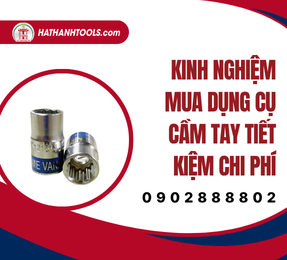
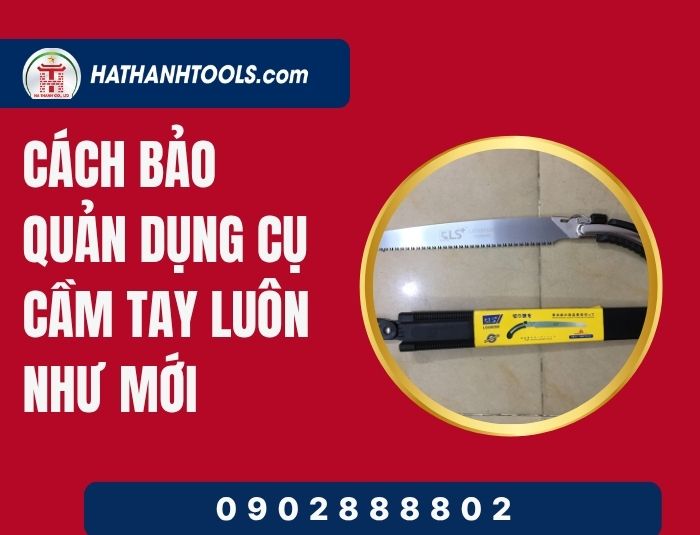
How to Keep Hand Tools Like New – The Secret to Extending Tool Life
In the work of mechanics, carpenters, and even DIY enthusiasts, keeping your toolbox in perfect condition is crucial. Many people wonder why their pliers or wrenches quickly become rusty or stiff after only a short time. The answer lies in proper cleaning and care. If you know how to keep your genuine hand tools like new, you'll not only maintain their sharpness and grip but also save a significant amount of money on equipment replacement.
The truth is, even the most expensive toolsets, forged from super-hard alloy steel, will be worn down by hand sweat, moisture, and metal filings if neglected. Developing the habit of cleaning, oiling, and organizing your tools systematically after each workday is the "elixir of life" to keep your wrenches, spanners, and screwdrivers as shiny and responsive as when they were first unboxed.
With years of experience distributing industrial equipment, Ha Thanh Tools Co., Ltd. Ho Chi Minh City Branch will guide you through the most technical cleaning, greasing, and storage steps. This way, all your tools will always be ready for action with maximum performance.
Contact us now: 0902 8888 02
Reasons Why Hand Tools Deteriorate and Rust Quickly
Environmental Factors and Usage Habits
To understand why maintenance is necessary, you must know the enemies of metal. Most genuine hand tools are made from Carbon steel, Cr-V alloy, or S2. Despite having a protective coating on the outside, they are still negatively affected by:
-
High air humidity, morning dew, or rainwater accumulating on the steel surface
-
Acidity in the sweat from the user's hands during continuous gripping and operation
-
Chemicals, paint, tree sap, or adhesives that adhere and are not cleaned immediately
-
Metal filings and cement dust entering rotating joints, causing gears to seize
Consequences of Neglecting Tool Maintenance
If you have the habit of tossing your tools on the floor after finishing work, the consequences will come quickly:
-
Wrench jaws, plier hinges become stiff, unable to open and close smoothly
-
Cutting edges oxidize, leading to chipping, and chewing through metal unevenly
-
Rubber-coated handles degrade, becoming sticky, cracked, or loose
-
Loss of initial mechanical precision, damaging customer's nuts and bolts
-
Loss of aesthetics and trust from partners when they see a rusty toolbox
Therefore, spending 5 minutes each day to clean your tools is a survival secret to ensure their longevity.

Contact us now: 0902 8888 02
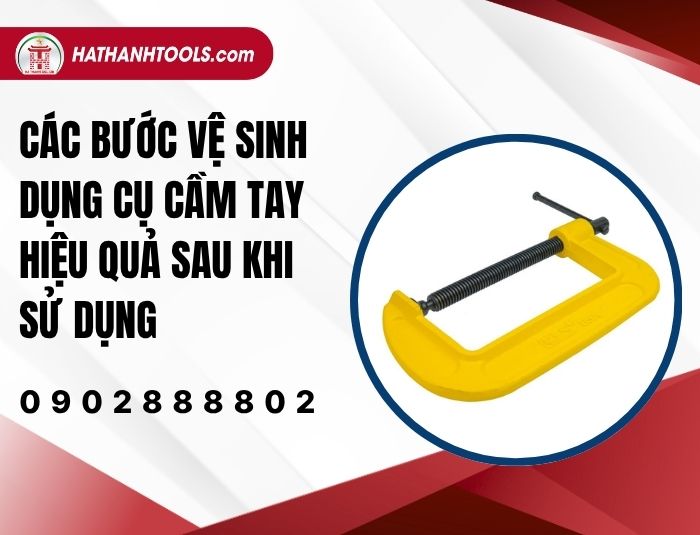
Effective Steps for Cleaning Hand Tools After Use
Cleaning Metal Surfaces of Dirt and Grease
The first step in the maintenance process is rough cleaning. After each workday, use a dry cotton cloth to wipe down the entire tool. If the tool is heavily soiled with dark grease (like when repairing car engines), use a small amount of solvent such as kerosene or specialized cleaner to thoroughly remove greasy stains:
-
Pay attention to cleaning the serrated grooves of needle-nose pliers and the jaws of wrenches.
-
Use a small wire brush to dislodge dirt and sand from narrow crevices.
-
Immediately dry the tool if it gets wet.
The care taken in this step determines whether the steel surface will be corroded by moisture overnight.
Removing Rust from Lightly Oxidized Tools
If your tools have started to show orange rust spots, don't be discouraged. Use a piece of steel wool (fine grade) or fine-grit sandpaper to gently rub the rusted areas. Add a little white vinegar or RP7 rust remover solution to the stains and let it soak for a few minutes before scrubbing; the metal surface will shine again.
Contact us now: 0902 8888 02
Secrets to Optimal Lubrication and Surface Protection for Hand Tools
Choosing and Lubricating Moving Joints
After cleaning, re-establishing a protective layer is crucial for imported hand tools. Use light machine oil or a multi-purpose anti-rust spray lubricant (like WD-40, RP7). Apply a few drops of oil to the pivot of pliers, the gear teeth of wrenches, and the bearings of ratcheting wrenches.
-
Open and close the tool repeatedly several times to allow the oil to penetrate deep into the shaft.
-
Wipe off any excess oil that oozes out with a cloth to prevent slippery hands.
-
Apply a very thin film of oil to all exposed metal parts to create a protective barrier against oxidation.
How to Care for Plastic and Rubber Handles
TPR and rubber anti-slip grips are prone to aging if exposed to harsh cleaning chemicals or direct sunlight. Never soak plastic handles in gasoline or solvents. Simply wipe them with a damp cloth with a little mild soap, then dry them. You can apply a little plastic protectant solution to keep the handles supple and prevent them from becoming brittle.

Contact us now: 0902 8888 02
Smart Storage Methods for Tools at Home and in the Workshop
Using Specialized Toolboxes and Cabinets
Tossing tools haphazardly into a metal bin can cause sharp blades to collide and chip. Use a toolbox with EVA foam lining or wall-mounted pegboards to organize each item. This tidiness helps to:
-
Absolutely protect plier jaws and screwdriver bits from physical impact.
-
Immediately detect if a tool is forgotten or lost at a job site.
-
Easily retrieve the right tool in 3 seconds without rummaging through the entire toolbox.
-
Keep sharp tools like utility knives and hand saws out of reach of children.
Controlling Humidity in the Storage Area
Humidity is a silent enemy that destroys metal. If you store tools in cabinets or sealed containers, place a few desiccant packs (Silica gel) or a piece of chalk inside. These materials will absorb moisture from the air, keeping the storage space completely dry and ensuring the chrome plating on your tools remains shiny.
Common Mistakes to Avoid When Cleaning Hand Tools
Soaking Tools in Water or Harsh Cleaning Chemicals
Many overly cautious individuals wash their pliers and wrenches with soapy water and then air dry them. Water can seep into the rotating joints and cause rust from the inside, which is very difficult to salvage. Avoid using acid cleaners as they can corrode and burn the protective nickel plating on the steel surface.
Improper Use of Angle Grinders Damaging Tools
When pliers or scissors become dull, never use a high-speed angle grinder to sharpen them. The heat generated from grinding friction will burn the steel, causing it to lose its original temper, making the cutting edge soft. Use a fine metal file or a slow hand oil stone for sharpening.
Overlooking Small Details Like Springs and Joints
Cleaning the main body is easy, but people are often lazy about cleaning the return spring of a locking plier or a tape measure. These are the areas most prone to seizing and breakage. It's essential to blow out dust and spray oil into these hard-to-reach nooks and crannies.
Visit Ha Thanh to Equip Yourself with the Most Durable Hand Tools
If you are looking for timelessly durable equipment, visit Ha Thanh Tools Co., Ltd. Ho Chi Minh City Branch. We are proud to offer a range of premium hand tools forged from Cr-V alloy steel, offering excellent resistance to wear and rust even in harsh conditions.
Customers visiting our showroom not only get to experience the top-notch CNC finishing quality of leading global brands firsthand but also receive dedicated guidance from our technical team on maintenance techniques and how to set up their toolbox scientifically and neatly.
A shiny, sharp toolbox is a symbol of a craftsman's proud work ethic. Maintaining and caring for your tools is not just about protecting your assets but also about cultivating carefulness and discipline in mechanical work.
Call Ha Thanh Tools Co., Ltd. Ho Chi Minh City Branch now to acquire professional-grade toolkits with the most reputable official warranty policies on the market.

Contact us now: 0902 8888 02
10 Frequently Asked Questions About Hand Tool Maintenance
1. Why do my pliers and wrenches often get yellow rust when kept in a bag?
Answer: Due to air humidity and moisture absorbed by the fabric bag, creating an oxidizing environment for the steel surface. This is especially true if you touch them with sweaty hands and don't wipe them clean.
2. Can RP7 and WD-40 be used for regular maintenance?
Answer: Yes, very much so. They are versatile solutions that penetrate to displace water, remove light rust, and form an anti-oxidation lubricating film, effective for all metal tools.
3. My screwdriver's rubber handle is sticky and gummy, how to fix it?
Answer: This is the aging of soft plastic due to chemicals or high temperatures. You can use alcohol to wipe off the sticky surface, or wrap it with heat-shrink tubing to continue using it.
4. I accidentally dropped my pliers into a puddle of water, what should I do immediately?
Answer: Wipe them dry with a cloth immediately, use a hairdryer to heat the rotating joints to evaporate all the water, then spray lubricant into the pivot.
5. Does Cr-V steel rust?
Answer: Chrome Vanadium steel is very resistant to rust due to its alloy coating. However, if the coating is deeply scratched or if it is submerged in chemicals for a long time, it will still rust.
6. Can the jaws of cutting pliers be re-sharpened if chipped?
Answer: Re-sharpening is difficult because cutting pliers require absolute flatness and a tight fit. Sharpening will cause the jaws to gap, preventing them from cutting wires. It's best to use them for their intended purpose to avoid chipping; once chipped, it's better to replace them.
7. Should I store metal tools in a wooden box?
Answer: Wooden boxes absorb moisture well but are prone to termites. It's best to use ABS plastic boxes, aluminum cases, and place a few Silica Gel desiccant packs inside.
8. The spring in my tape measure is jammed with sand, making it difficult to retract. What should I do?
Answer: Extend the steel tape fully, use a brush to sweep away the sand. Spray a small amount of RP7 into the spring housing and slowly release the tape so it retracts smoothly.
9. My hammer's wooden handle is loose, how to re-secure it?
Answer: Soak the wooden head of the hammer in water for a while to make the wood expand and tighten the metal wedge. Alternatively, insert a small metal wedge into the gap at the top of the hammerhead.
10. Where can I buy EVA foam trays to organize tools and prevent scratches?
Answer: Contact Ha Thanh Tools Co., Ltd. immediately for professional custom-cut EVA foam trays perfectly fitted to your tool set.
Contact Information
-
Ha Thanh Tools Co., Ltd. Ho Chi Minh City Branch
-
Hotline: 0902 8888 02
-
Address: 35 Nguyen An Khuong, Ward Cho Lon, Ho Chi Minh City
-
Email: cskh@hathanhls.com
-
Tax Code: 0100108529-006
-
Website: https://hathanhtools.com