Mastering Thread Tapping: A Beginner's Guide to Proper Technique – Precise Operations for Beautiful, Uniform, and Durable Threads
For those new to mechanical engineering or home repairs, thread tapping correctly is a crucial skill for creating strong, standard, and error-free connections. Incorrect tapping techniques can easily lead to thread pitch errors, chipped edges, tap jamming, or even complete damage to the machined surface.
Contact us now: 0902 8888 02
The demand for learning proper thread tapping techniques is rapidly growing across machine shops, repair garages, and even for individuals who wish to handle components themselves at home. With extensive experience in the tool industry, Ha Thanh Co., Ltd. TP.HCM Branch shares effective, easy-to-understand tapping solutions suitable for beginners who want to get it right from the very first step.
What is Thread Tapping? Its Importance in Mechanical Machining
Concept of Thread Tapping
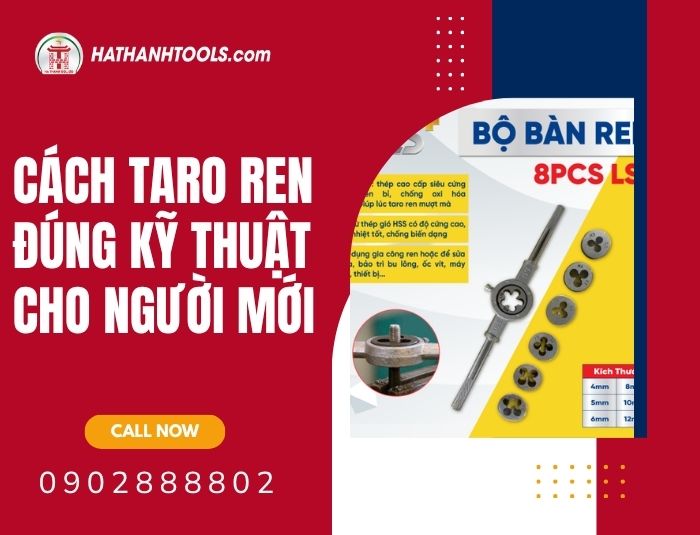
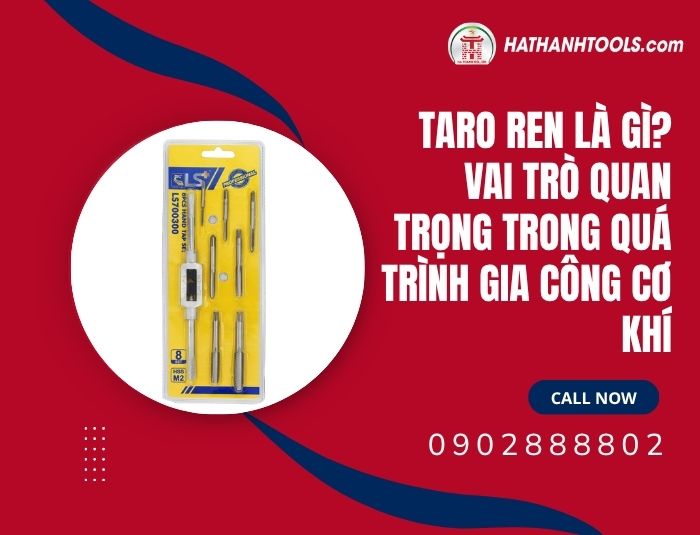
Thread tapping is the process of creating internal threads on a workpiece for assembly, fastening, and securing. Proper thread tapping typically utilizes basic tools such as:
-
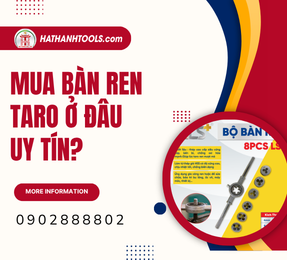
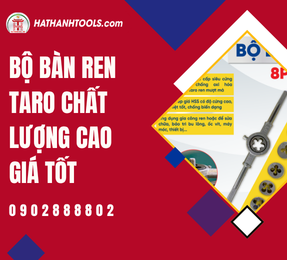
Taps for internal threading
-
Die stocks for external threading
-
Tap wrenches to assist in rotating the tap
-
Lubricating oil to ensure smoother and more stable tapping
The correct combination of these tools will ensure the tapping process is smooth, accurate, and minimizes the risk of tap breakage or thread damage.
Role of Thread Tapping in Practice
A properly executed thread tapping operation will:
-
Create uniform and precise thread pitches as required
-
Ensure secure assembly of components
-
Enhance the durability of the joint after completion
-
Minimize errors when threading by hand
Contact us now: 0902 8888 02
Benefits of Tapping Correctly from the Start
High Precision in Every Thread Pass
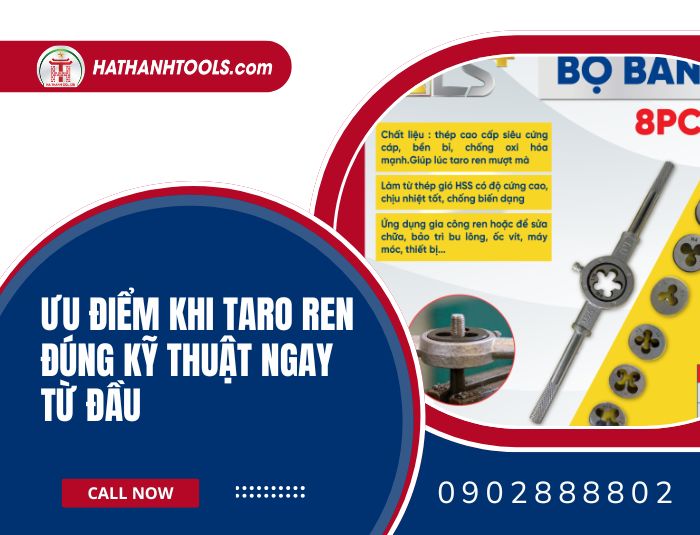
When tapping is performed to the correct standard, the resulting threads will be uniform, sharp, and mesh well with the mating component, leading to a higher overall product finish.
Minimizing Tool Damage
Correct tapping practices help protect tools such as:
-
Taps are not broken due to excessive force
-
Tap wrenches maintain stability during operation
-
Workpiece surfaces are less likely to chip or have misaligned threads
This allows new tappers to save significant time and cost during learning and practice.
Increased Operational Efficiency
A clear tapping process for beginners allows for faster, more controlled operations and reduces feelings of uncertainty during work.
Suitable for Various Workpieces
Standard thread tapping techniques can be applied to a wide range of materials and sizes, from simple repair tasks to actual mechanical machining.
Contact us now: 0902 8888 02
Distinguishing Popular Types of Thread Tapping Today
Internal Thread Tapping
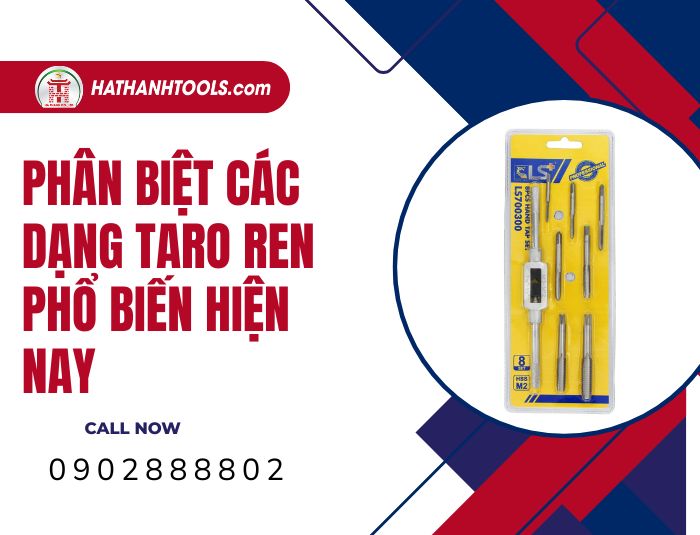
This is the type of tapping performed inside a drilled hole. Users employ taps to create internal threads on a workpiece, commonly found in mechanical engineering, equipment repair, and technical assembly.
External Thread Tapping
This type of tapping is used to create threads on the outside of a round bar or metal shaft. This process typically uses a die stock to machine external threads to the required dimensions.
Manual Thread Tapping
This is a popular method for beginners as manual tapping allows for better feel of the cutting force, easier control of direction, and timely intervention if thread jamming occurs.
Thread Tapping in Production Environments
In professional machine shops, thread tapping is also applied to various components requiring high uniformity, increasing machining speed and ensuring technical standards.
Contact us now: 0902 8888 02
Preparation Essentials Before Thread Tapping for Beginners
Select the Right Tapping Tools
To achieve beautiful and safe threads, beginners need to prepare the appropriate tools:
-
Taps of the correct size for the hole to be machined
-
A sturdy and easy-to-control tap wrench
-
Lubricating oil to facilitate smoother tapping
-
A workpiece with a correctly drilled hole
Thorough preparation before tapping can significantly reduce errors such as misalignment, chip jamming, and tool breakage.
Determine the Correct Thread Standard
Beginners should carefully check the size and type of thread before tapping to avoid selecting the wrong tap or creating a thread pitch unsuitable for the mating component.
Choose a Reputable Tool Supplier
Purchasing from Ha Thanh Co., Ltd. TP.HCM Branch provides users with peace of mind regarding tool quality and makes it easier to select the right tapping support kit for their practical needs.
Why Beginners Should Learn Proper Thread Tapping Technique from the Start
Reduce Errors During Practice
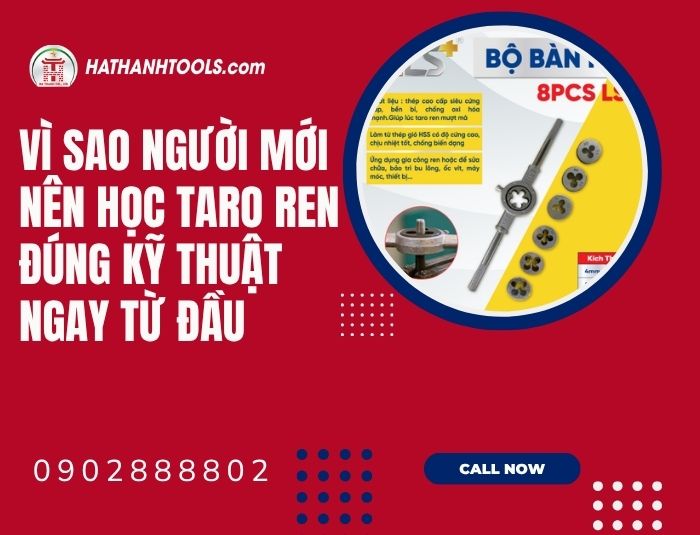
By mastering the correct thread tapping techniques, beginners can avoid common mistakes such as misaligned threads, broken taps, worn threads, or improperly drilled holes before tapping.
Save Materials and Time
By applying the correct procedures, proper thread tapping reduces damaged parts, saves time on error correction, and increases work efficiency.
Contact us now: 0902 8888 02
Easier Skill Advancement
Once familiar with standard tapping principles, users can more easily advance their skills to more complex threading tasks without feeling overwhelmed.
Establish a Foundation for Safe Operation
Beginners who tap correctly will understand when to stop, when to reverse the tap, and when to apply more lubricant to avoid damaging the tools.
Step-by-Step Guide to Proper Thread Tapping for Beginners
Preparation Before Tapping
-
Clean the surface and the hole to be tapped.
-
Select the correct tap size suitable for the thread pitch.
-
Use lubricating oil before starting to tap.
Tapping Procedure
-
Position the tap perfectly perpendicular to the hole.
-
Rotate the tap evenly to gradually cut the thread.
-
Do not apply excessive force if you feel resistance.
Post-Tapping Inspection
- Check the uniformity and fit of the threads.
- Clean away metal chips after completing the tapping.
How to Maintain Tapping Tools for Longevity
Clean After Use
Always clean tapping tools after each use to prevent metal dust, chips, and old oil from adhering and causing rust.
Store in a Dry Place
Keep the tapping tool set in a clean, well-ventilated, and low-moisture environment to extend its lifespan and ensure smooth operation on subsequent uses.
Use for Intended Purpose
Do not misuse tapping tools to avoid chipping the cutting edges, deforming threads, or damaging the workpiece surface.
Applications of Thread Tapping in Practice
Mechanical Industry
Mechanical thread tapping is frequently used in machining machine parts, repairing, and assembling equipment.
Construction Industry
Thread tapping is applied to create threads for shafts, connecting components, and various elements requiring strong fastening.
Repair and Maintenance
Technicians can use thread tapping to restore damaged threaded holes or quickly fix components that need their threads renewed.
Common Thread Tapping Mistakes Beginners Should Avoid
Not Using Lubricant
This makes the tapping process difficult, easily wears down the tool, and results in less smooth threads.
Selecting the Wrong Tap Size
Choosing the incorrect tool will lead to non-standard threads and cause difficulties in component assembly later on.
Applying Excessive Force
This is a common error that can break the tap, misalign threads, or damage the workpiece being tapped.
Current Trends in Learning and Applying Thread Tapping
Increasing Demand for Basic Tapping Education
Beginners today are showing more interest in learning systematic tapping methods to handle tasks independently without relying entirely on external services.
Prioritizing Durable and Easy-to-Use Tools
Modern tapping toolkits are continually being improved to better suit new users, offering smoother operation and fewer errors.
Emphasis on Standardized Operational Procedures
Learning proper thread tapping technique for beginners is becoming a sought-after skill as it improves efficiency and minimizes mistakes in practical work.
Mastering the correct thread tapping technique for beginners is a crucial foundation for accurate operation, tool protection, and creating standard threads. By understanding the correct process and applying it consistently, beginners can achieve beautiful, durable, and safe threads from their very first practice attempts.
Ha Thanh Co., Ltd. TP.HCM Branch is a reputable source for high-quality tapping tools suitable for both learning and practical use today.
10 Frequently Asked Questions
1. What is thread tapping?
Answer: Thread tapping is the process of creating internal or external threads on metal workpieces for assembly and fastening purposes.
2. Can beginners tap threads themselves?
Answer: Yes, if they understand the basic tapping process and use the right tools, beginners can absolutely perform it.
3. What is thread tapping used for?
Answer: Thread tapping is used to create thread pitches that allow components to be screwed, fastened, and assembled securely together.
4. Is it necessary to use oil when tapping?
Answer: Yes, lubricating oil reduces friction, makes the tapping process smoother, and better protects the tools.
5. Why do taps often break?
Answer: Common reasons include applying too much force, improper alignment, or not clearing chips during the tapping operation.
6. How to choose the right tapping tools?
Answer: You should select based on the thread size, workpiece type, and actual usage needs to achieve the best tapping results.
7. Do I need to drill a hole before tapping?
Answer: Yes, to perform internal tapping correctly, a hole of the appropriate diameter must be drilled before proceeding.
8. Where to buy reputable tapping tools?
Answer: You should purchase tapping tools from Ha Thanh Co., Ltd. TP.HCM Branch to ensure quality and suitability.
9. Can thread tapping be used for home use?
Answer: Yes, thread tapping is suitable for home use, basic repairs, and professional work if performed correctly.
10. How to maintain tapping tools?
Answer: You should clean them thoroughly, apply appropriate oil, and store the tapping set in a dry place to prevent rust and extend their lifespan.
Contact Information
- Ha Thanh Co., Ltd. TP.HCM Branch
- Hotline: 0902 8888 02
- Address: 35 Nguyen An Khuong, Cho Lon Ward, Ho Chi Minh City
- Email: cskh@hathanhls.com
- Tax Code: 0100108529-006
- Website: https://hathanhtools.com