What are Hand Tools? Classification and Applications in Daily Life and Industry
In today's era of industrialization and modernization, hand tools still play a pivotal role, serving as indispensable companions for skilled craftsmen and households alike. Despite the strong development of digital technology and automated machinery, hand tools continue to prove their enduring value due to their flexibility, ease of use, and high accessibility.
This article will clarify what hand tools are, and delve into their classifications along with their diverse practical applications, helping you to better understand and choose the most suitable products for your work needs.
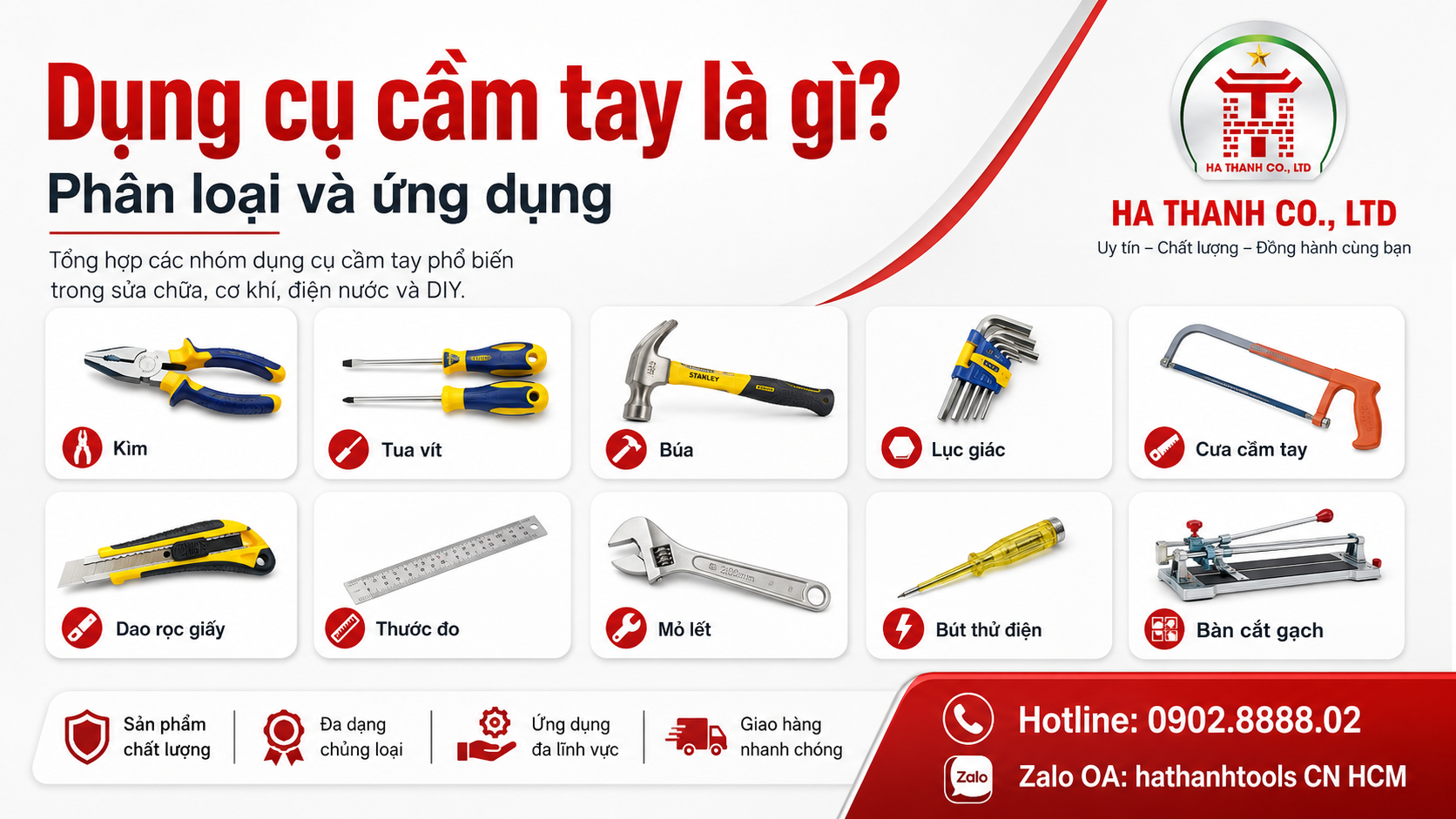
Hand tools are defined as implements operated entirely by human power, without reliance on electricity or motors. They include familiar items such as hammers, pliers, screwdrivers, measuring tapes, etc., designed to assist people in performing repair, assembly, cutting, and measuring tasks accurately and safely.
How Important are Hand Tools in Modern Life?
Hand tools are not just supportive instruments but also crucial factors determining work efficiency across many fields. From large construction projects to small household repairs, hand tools help save time, minimize risks, and enhance product quality. Particularly in Vietnam, with its rapidly developing construction and mechanical engineering industries, owning a set of high-quality hand tools is a smart investment for both individuals and businesses.
With many years of experience accompanying our customers, we've observed that appropriate hand tools not only ensure smooth work execution but also guarantee occupational safety, extend equipment lifespan, and reduce long-term repair costs.
Hand Tool Classifications and Practical Applications
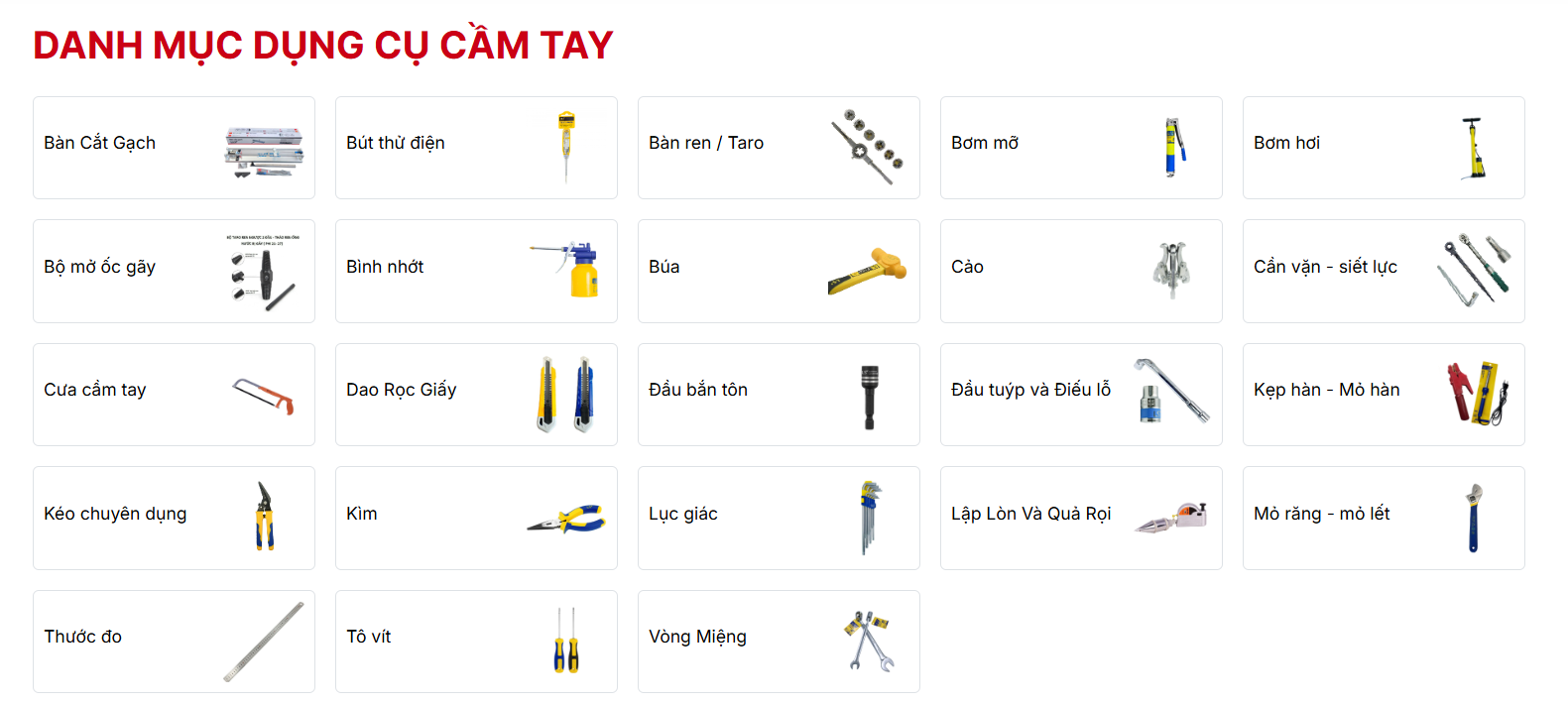
One of the factors that helps users choose the right product is a clear understanding of hand tool classifications by function. Each product group is designed to perform one or more specialized tasks, contributing to increased work efficiency, reduced construction time, and ensured precision during repair, assembly, or maintenance processes.
At hathanhtools.com, our hand tool catalog is diverse, designed to meet the needs of individual users, technicians, mechanical workshops, auto garages, and manufacturing businesses. Product categories include pliers, screwdrivers, wrenches, adjustable wrenches, utility knives, hammers, measuring tools, scissors, bolt extractors, toolboxes, and many other mechanical accessories.
Pliers of All Types – Versatile Hand Tools for Repair and Mechanics
Pliers are among the most commonly used mechanical hand tools due to their ability to grip, hold, cut, and bend various materials. They are an almost indispensable item in the toolkits of electricians, mechanics, maintenance technicians, and even households.
Depending on their intended use, pliers are categorized into various types such as cutting pliers, needle-nose pliers, electrical pliers, crimping pliers, locking pliers, tongue-and-groove pliers, or multi-purpose pliers. Each type has a unique design optimized for specific operations.
Applications of Pliers
Pliers are widely applied in many fields such as:
-
Clamping and holding workpieces during processing.
-
Cutting electrical wires, steel wires, or metal wires.
-
Bending and shaping materials in the mechanical industry.
-
Disassembling and assembling electrical and electronic components.
-
Repairing motorcycles, automobiles, and industrial equipment.
-
Installing residential electrical systems.
A quality hand tool like pliers is manufactured from high-strength alloy steel, capable of resisting deformation and providing a long service life.
Screwdrivers, Bits – Fast and Precise Assembly and Disassembly Solutions
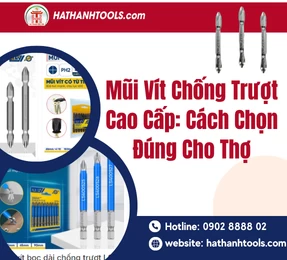
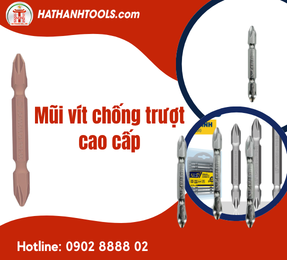
In the classification of hand tools, screwdrivers and bits are a product group used for tightening or loosening various types of screws with different head styles such as flat-head, Phillips-head, star-head, hex-head, or Torx-head.
These repair hand tools are designed in various sizes to meet needs ranging from repairing electronic devices and household appliances to assembling industrial machinery.
Applications of Screwdrivers and Bits
-
Furniture assembly.
-
Disassembly and assembly of computers, laptops, and electronic devices.
-
Residential electrical repairs.
-
Industrial machinery maintenance.
-
Mechanical assembly and production lines.
-
Automobile and motorcycle maintenance.
Choosing the correct bit type helps prevent screw head stripping and enhances safety during operation.
Wrenches, Adjustable Wrenches – Specialized Hand Tools for Tightening and Loosening Bolts
For the mechanical engineering and machinery repair industries, wrenches and adjustable wrenches are indispensable specialized hand tools.
Wrenches are typically manufactured in fixed sizes, suitable for standard nut types. In contrast, adjustable wrenches have flexible jaws that allow them to work with various bolt sizes.
Applications of Wrenches and Adjustable Wrenches
-
Industrial machinery installation.
-
Automobile and motorcycle repair.
-
Water supply and drainage system construction.
-
Steel structure assembly.
-
Production line maintenance.
-
Precision mechanical processing.
Industrial hand tools in this category are typically made from high-hardness alloy steel to ensure load-bearing capacity and minimize wear during use.
Utility Knives, Cutters – Flexible Hand Tools for Cutting and Trimming
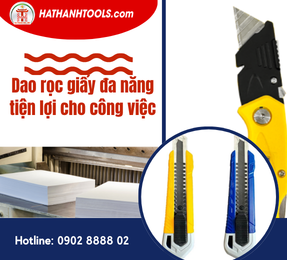
Utility knives and cutters are a group of hand tools with high applicability in various professions.
Not only used in offices or homes, specialized knife lines are also applied in construction, advertising, mechanical engineering, logistics, and goods packaging.
Applications of Utility Knives and Cutters
-
Cutting paper, cardboard, and packaging.
-
Cutting plastic, rubber, or soft materials.
-
Model making.
-
Advertising construction.
-
Cutting materials in the construction industry.
-
Supporting packaging and logistics.
To ensure work efficiency, users should choose genuine hand tools with sharp blades, sturdy bodies, and a safe locking mechanism.
Hammers – Force-Generating Hand Tools for Construction and Repair
Hammers are a familiar group of hand tools for most users, from households to construction sites.
Currently, there are many types of hammers, such as claw hammers, rubber mallets, ball-peen hammers, sledgehammers, round-head hammers, or specialized mechanical hammers.
Applications of Hammers
-
Driving and pulling nails.
-
Aligning mechanical components.
-
Assembling metal structures.
-
Construction work.
-
Woodworking.
-
Machinery and equipment maintenance.
A high-quality hand tool with a hardened hammerhead and an anti-slip handle will ensure safe, precise operation and reduce hand fatigue during prolonged work.
Measuring Tools – Hand Tools for Precision
In all construction, mechanical, and installation work, accurate measurement is a decisive factor for product quality.
The category of measuring hand tools includes tape measures, steel rulers, measuring tapes, and many other specialized measuring devices.
Applications of Measuring Tools
-
Measuring material dimensions.
-
Checking distances and lengths.
-
Construction work.
-
Mechanical processing.
-
Furniture installation.
Inspecting product dimensions before finishing.
Scissors – Hand Tools Serving Multiple Fields
Scissors are not only used in daily life but also serve as important hand tools in many professions.
Depending on the need, users can choose tin snips, pruning shears, PVC pipe cutters, wire cutters, or multi-purpose scissors. Hathanhtools also provides various guides on selecting the right scissors for specific uses.
Applications of Scissors
-
Cutting electrical wires.
-
Cutting plastic and rubber.
-
Cutting thin sheet metal.
-
Pruning branches.
-
Processing soft materials.
-
Installing water supply and drainage systems.
Bolt and Screw Extractors – Effective Solutions for Dealing with Bolts and Screws
Bolt and screw extractors are a group of specialized hand tools designed to remove rusted, deformed, or broken bolts, nuts, or screws.
These tools are widely used in auto garages, machinery repair shops, and industrial equipment maintenance units.
Applications of Bolt and Screw Extractors
-
Removing broken screws.
-
Removing jammed bolts.
-
Automobile and motorcycle maintenance.
-
Repairing industrial equipment.
-
Maintaining mechanical systems.
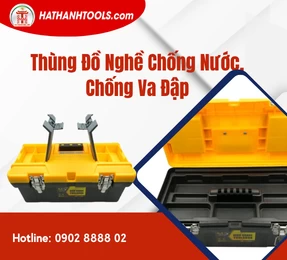
Toolboxes – Scientific Hand Tool Storage Solutions
As the number of hand tools grows, storage and organization become very important.
Toolboxes help divide tools into compartments, prevent loss, and save time searching during work.
Applications of Toolboxes
-
Storing hand tool sets.
-
Transporting tools when working on-site.
-
Protecting tools from impacts and dust.
-
Managing tools in workshops.
-
Enhancing professionalism for technicians.
Other Hardware Accessories and Tools

In addition to the main product groups, Hathanhtools' hand tool catalog also includes many accessories and supporting equipment such as sockets, hex keys, screwdriver bits, disassembly aids, and other mechanical accessories. These products expand work capabilities, meeting various technical requirements in maintenance, repair, and manufacturing.
Applications of Mechanical Accessories
-
Supporting machinery assembly.
-
Replacing worn-out accessories.
-
Increasing the efficiency of hand tool sets.
-
Meeting specialized technical requirements.
-
Serving industrial equipment maintenance and repair.
As can be seen, classifying hand tools by functional group helps users easily select the right product for their actual needs. From simple household tasks to large-scale mechanical, construction, and manufacturing projects, each hand tool group plays a unique role, contributing to improved work performance, ensured precision, and increased safety during use.
Real-World Applications of Hand Tools
After learning about hand tool classifications, it's clear that each product group is designed to meet different work needs. From simple household repairs to large-scale mechanical, construction, and manufacturing projects, hand tools consistently play a vital role in improving work efficiency, saving time, and ensuring precision.
Choosing the correct specialized hand tools not only helps complete tasks faster but also contributes to extending equipment lifespan, minimizing risks during construction and repair.
Hand Tools in Households
Every household should equip itself with a versatile hand tool set to handle daily tasks without needing to call a professional. A basic toolkit typically includes pliers, screwdrivers, a hammer, a utility knife, a tape measure, and an adjustable wrench.
Household hand tools effectively assist in tasks such as:
-
Assembling tables, chairs, cabinets, shelves, and furniture.
-
Hanging pictures, clocks, or decorative shelves.
-
Repairing locks, door handles.
-
Replacing light bulbs, electrical outlets.
-
Cutting wires, opening packaging, or repairing household items.
Thanks to their versatility, quality hand tools allow users to proactively handle minor issues, significantly saving time and service costs.
Hand Tools in the Mechanical Industry
The mechanical industry is a field with a very high frequency of mechanical hand tool usage. Technicians often combine various tool groups such as wrenches, adjustable wrenches, pliers, hammers, measuring tools, and bolt extractors to perform processing, assembly, and maintenance stages.
Common applications include:
-
Processing and assembling machine parts.
-
Inspecting dimensions before product completion.
-
Maintaining production lines.
-
Disassembling and assembling mechanical equipment.
-
Adjusting and aligning machine components.
Investing in highly durable industrial hand tools helps businesses reduce replacement costs and maintain stable work performance.
Hand Tools in Construction
In the construction sector, hand tools support numerous stages from measurement and material cutting to installation and project completion.
Some prominent applications include:
-
Measuring dimensions and checking distances.
-
Driving nails, pulling nails, and aligning materials.
-
Cutting packaging, plastic sheets, or soft materials.
-
Tightening bolts during structural installation.
-
Maintaining and repairing construction equipment.
Thanks to their diverse range, hand tools allow workers to flexibly handle various situations right on the job site.
Hand Tools in Auto and Motorcycle Garages
Repair garages always require a full range of repair hand tools to facilitate maintenance and component replacement.
Frequently used product groups include:
-
Wrenches and adjustable wrenches for tightening and loosening bolts.
-
Various types of pliers for holding or cutting components.
-
Specialized bolt extractors.
-
Measuring tools for dimension checks.
-
Toolboxes for convenient tool management and transportation.
Using genuine hand tools not only enhances repair quality but also limits damage to vehicle components.
Hand Tools in Factories and Industrial Zones
In modern manufacturing environments, hand tools contribute to maintaining the stable operation of production lines and equipment.
Applications include:
-
Regular machinery inspection.
-
Component replacement.
-
Tightening mechanical joints.
-
Processing and assembling equipment.
-
Maintaining production systems.
Having a complete set of specialized hand tools helps technical teams quickly resolve issues, reduce downtime, and improve operational efficiency.
How to Properly Maintain Hand Tools
To ensure hand tools always operate efficiently and have a long lifespan, users need to pay attention to their maintenance after each use.
Clean Tools After Use
Dirt, grease, or metal shavings adhering to surfaces can reduce work efficiency and cause rust over time.
After completing work, hand tools should be wiped clean with a dry cloth or a specialized cleaning solution.
Store in a Dry Place
Moisture is a common cause of oxidation in mechanical hand tools.
Tools should be stored in a toolbox or specialized cabinet, avoiding direct contact with water and high-humidity environments.
Regular Inspection
For specialized hand tools used frequently, regular inspections should be performed to detect signs such as:
-
Worn blades.
-
Cracked handles.
-
Deformed plier jaws or hammerheads.
-
Adjusting mechanisms no longer operating accurately.
Timely replacement helps ensure safety and maintain work efficiency.
Scientific Organization
A well-organized toolbox helps users quickly find tools and minimize loss.
This is also a method for maintaining quality hand tools adopted by many manufacturing units and technicians.
Important Notes When Using Hand Tools
To ensure safety during work, users must use hand tools for their intended purpose and adhere to basic principles.
-
Do not use pliers instead of wrenches or adjustable wrenches when tightening bolts, as this can damage the tool and cause slippage.
-
Do not use a hammer to strike components that are not compatible with the product's design.
-
Choose the correct size screwdriver, bit, or wrench to avoid damaging screw heads and reduce operational efficiency.
-
Wear gloves and safety glasses when working with repair hand tools that have cutting blades or generate strong force.
-
Do not continue to use tools that are bent, cracked, or damaged, as this can pose a danger to the operator.
-
Prioritize genuine hand tools from reputable suppliers to ensure quality, durability, and stable performance over a long period.
Contact Information
Hà Thành CN TP.HCM Co., Ltd. – specializing in providing genuine, high-quality hand tools, nationwide delivery
Hotline: 0902 8888 02
Address: 35 Nguyen An Khuong, Cho Lon Ward, Ho Chi Minh City
Email: cskh@hathanhtools.com
Website: https://hathanhtools.com
Tax Code: 0100108529-006