The Ministry of Defense - Hanoi Capital Command - Branch of Ha Thanh Single-Member Limited Liability Company, Ho Chi Minh City.






Contact us
Contact us
Contact us
Contact us
Contact us
Contact us
Contact us
Contact us
Contact us
Contact us
Contact us
Contact us
Contact us
Contact us
Contact us
Contact us
Contact us
Contact us
Contact us
Contact us
Contact us
Contact us
Contact us
Contact us
Contact us
In the world of hand tools, pliers play an essential role, providing strong support for all tasks from simple repairs to professional construction. This article will offer an overview of common types of pliers, from locking pliers to wire strippers, along with detailed usage instructions and important notes, helping you choose and use these tools effectively and safely.
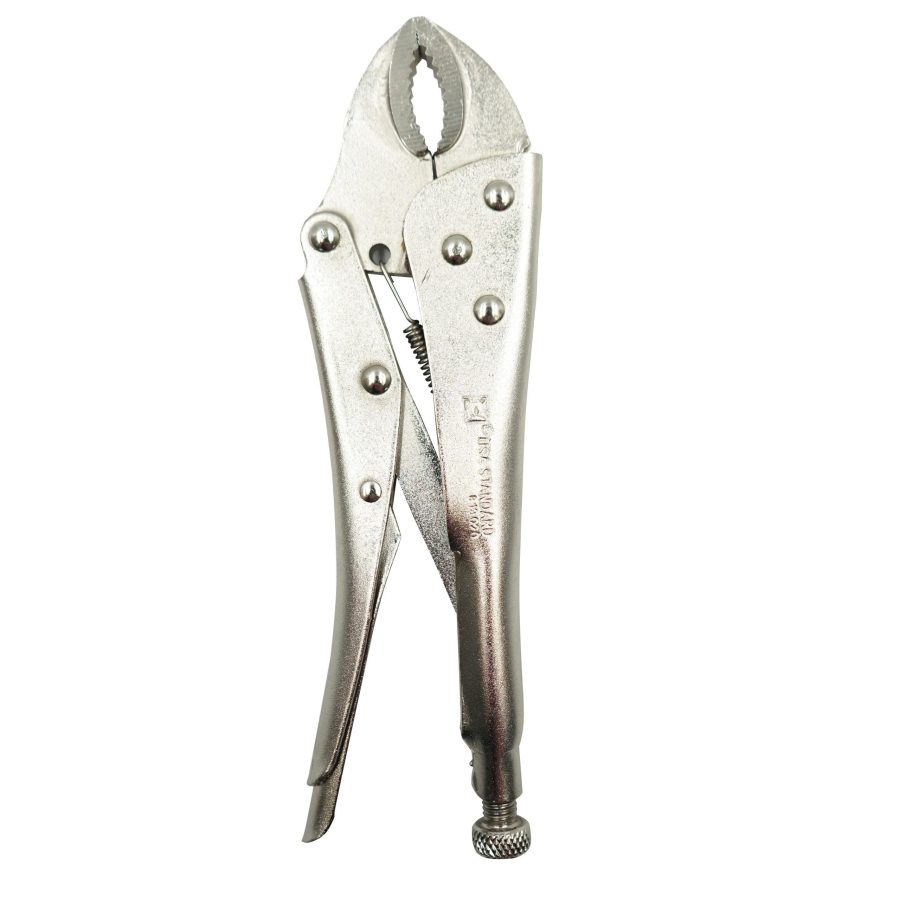
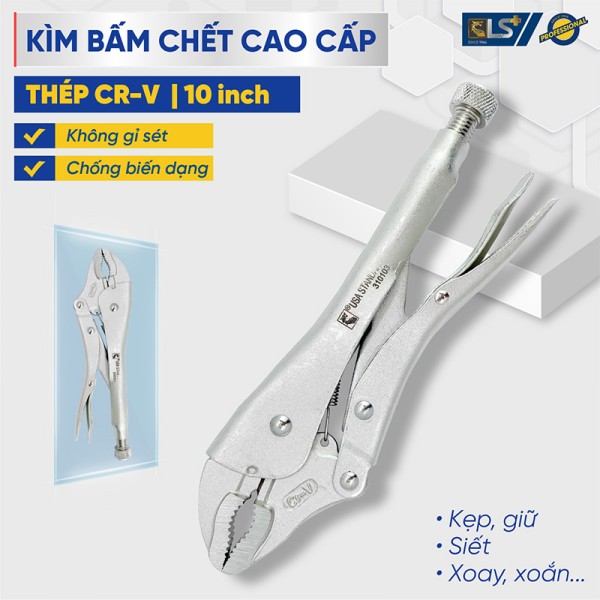
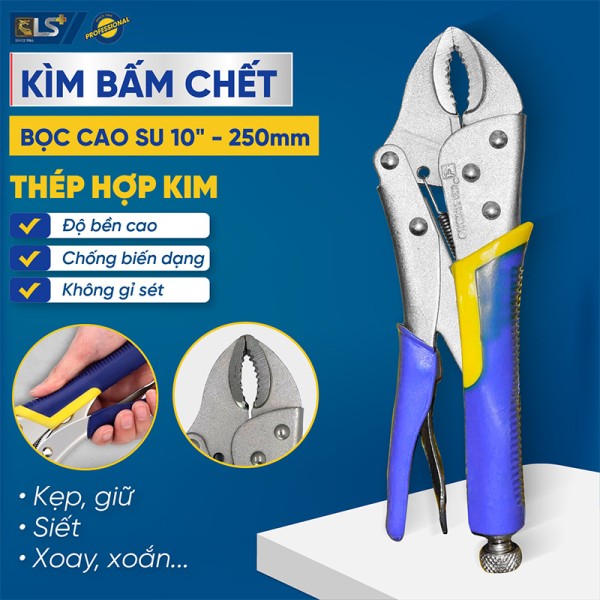
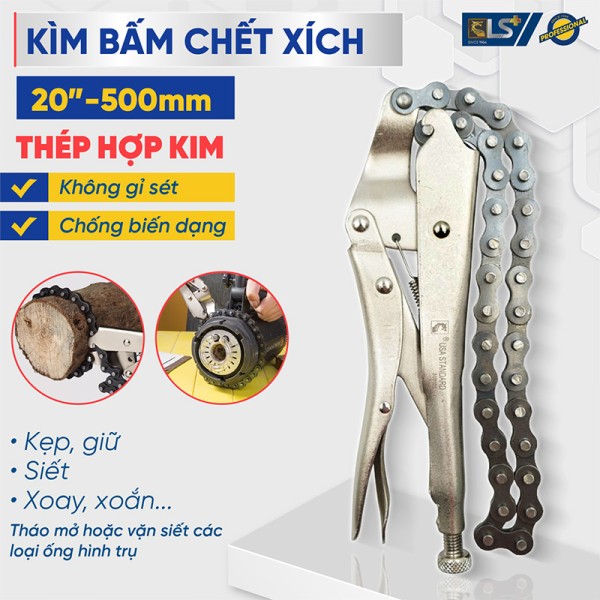
Locking pliers are a line of tools belonging to the LS+ Pliers series, used for specialized gripping with a fixed-force locking mechanism, allowing them to hold objects without continuous squeezing. These products come in various variations to suit different needs, such as white/black locking pliers (common, multi-purpose), chain locking pliers (for gripping round objects, large pipes), C-clamp locking pliers (for clamping plates, holding workpieces during welding), vise-grip pliers (flat jaws, for gripping flat surfaces), and welding clamp locking pliers (heat-resistant design, for fixing objects during metal fabrication). Thanks to their strong clamping force, high stability, and versatility, locking pliers are widely used in mechanics, repair, construction, and home applications.
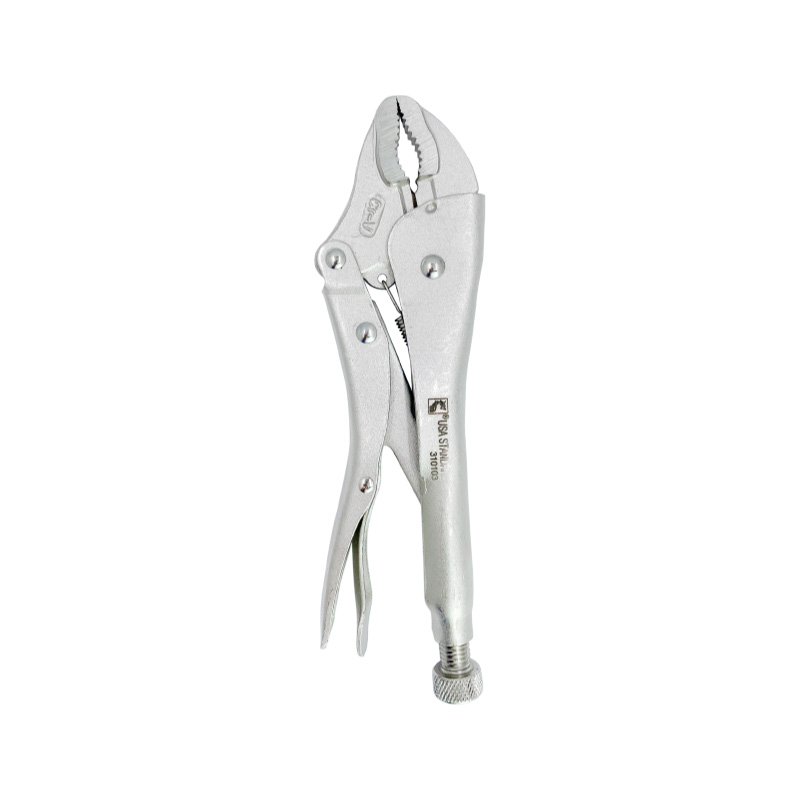
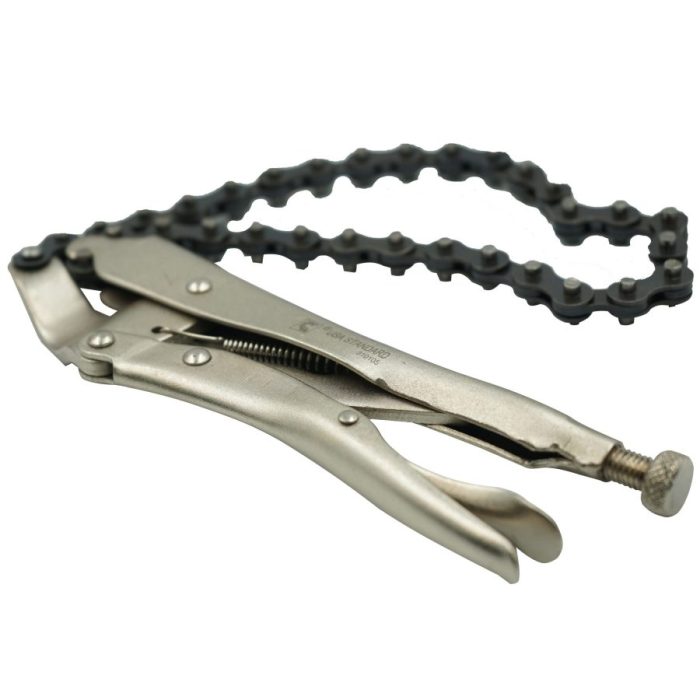
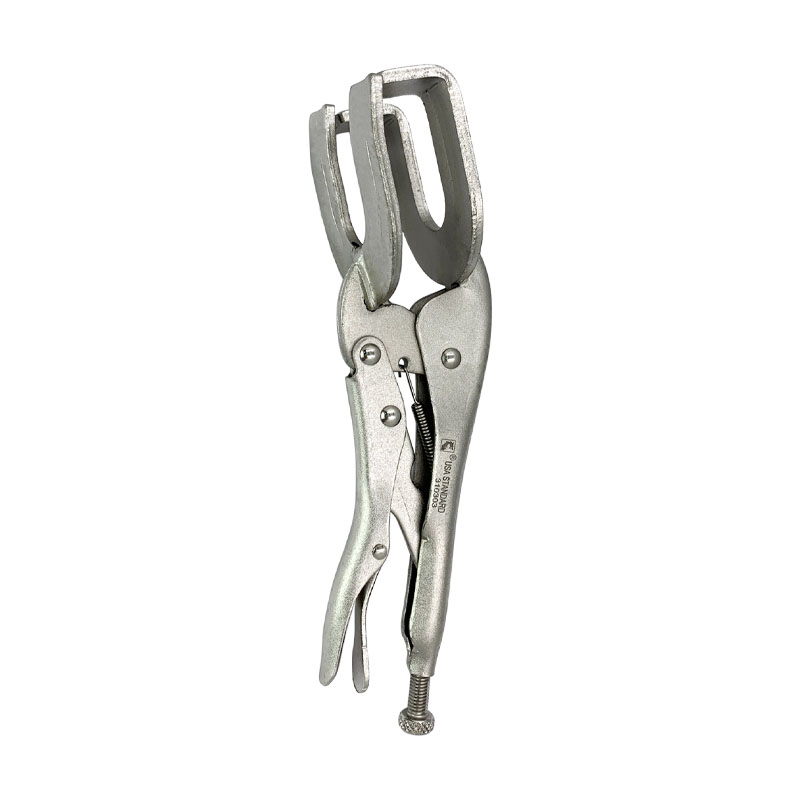
.jpg)
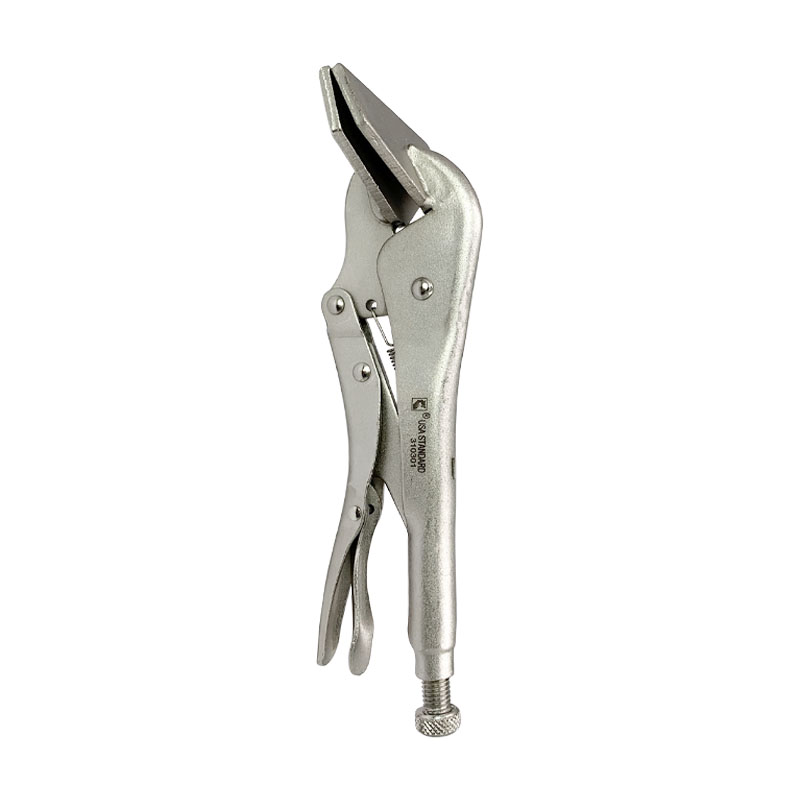
Usage Principle: To use locking pliers, adjust the jaw opening to suit the size of the object to be held. Then, squeeze the handles to lock the pliers. The locking mechanism will securely hold the jaws, preventing them from opening automatically. To release the object, simply squeeze the handles together to unlock.
Advantages: Strong gripping capability, securely holding objects for extended periods, suitable for tasks requiring high stability. Handles are often coated with plastic or rubber for a comfortable, non-slip grip.
Disadvantages: Can be bulkier and heavier than standard pliers, and adjustment may be time-consuming if the clamping size needs frequent changes.
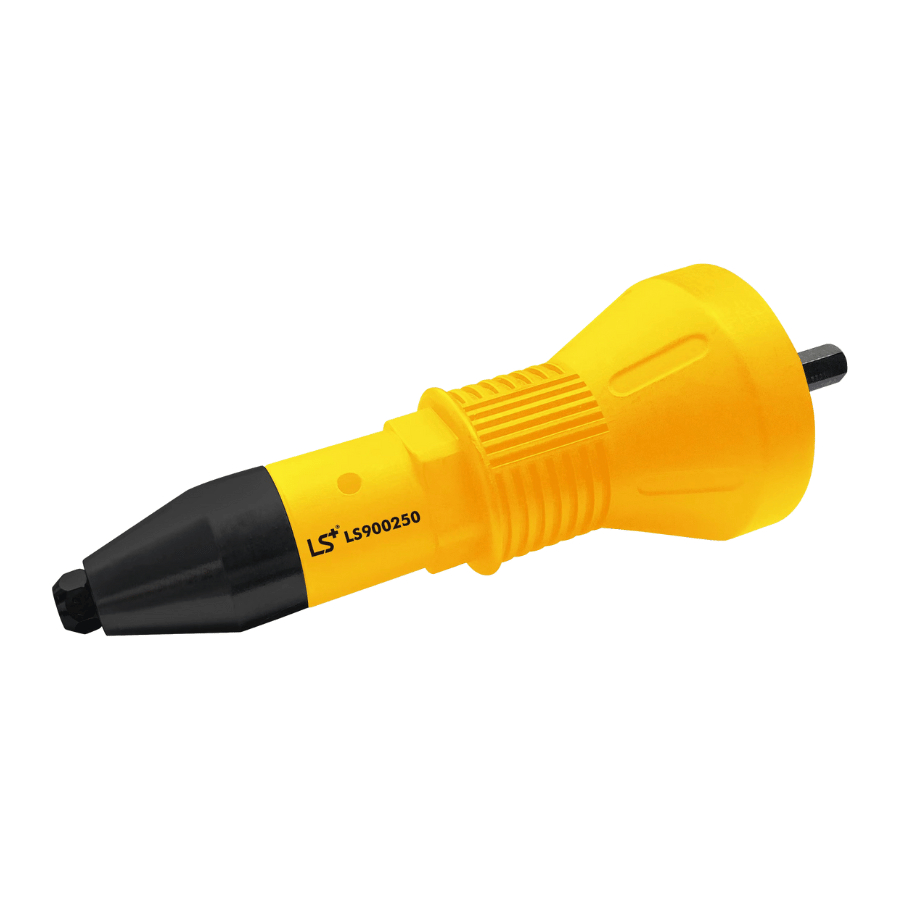
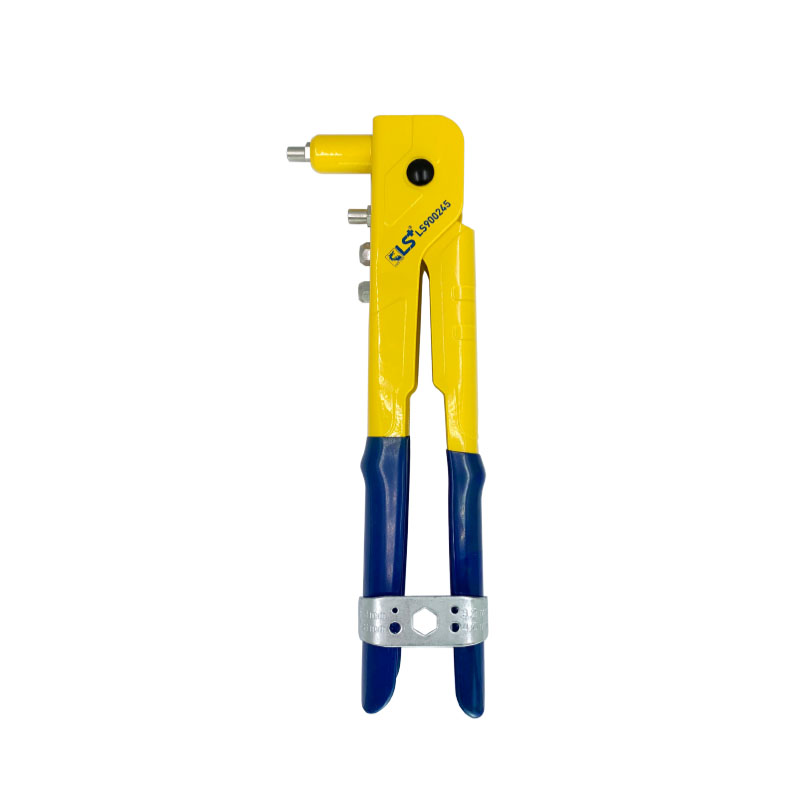
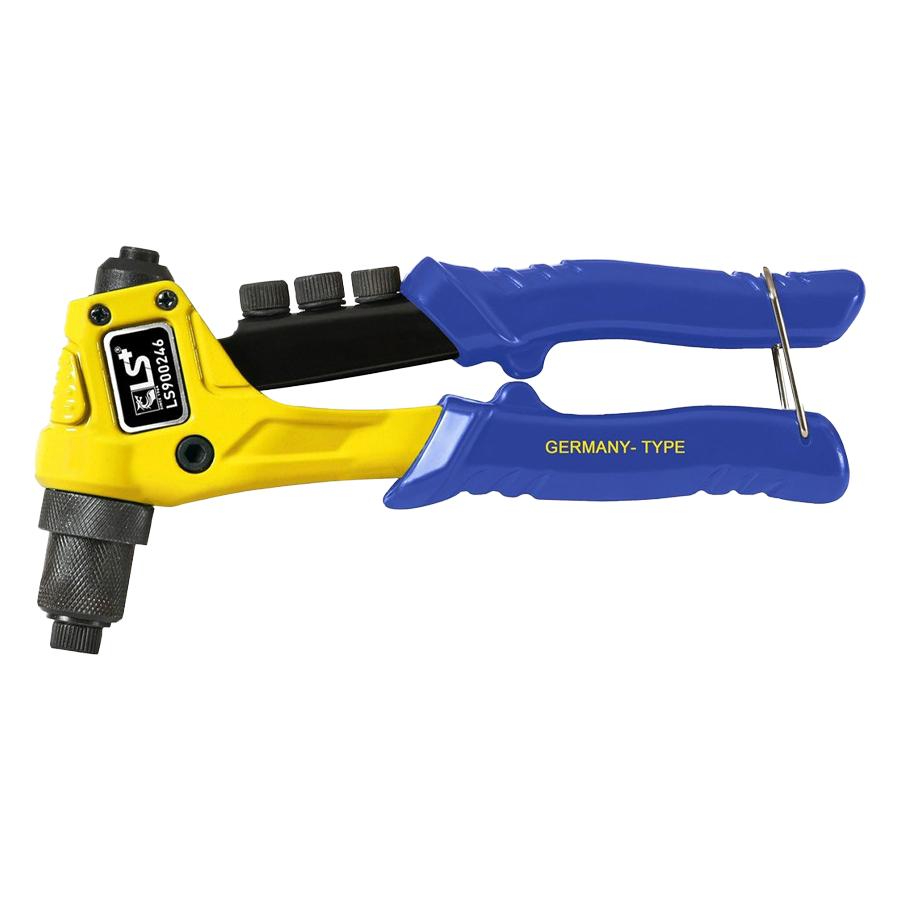
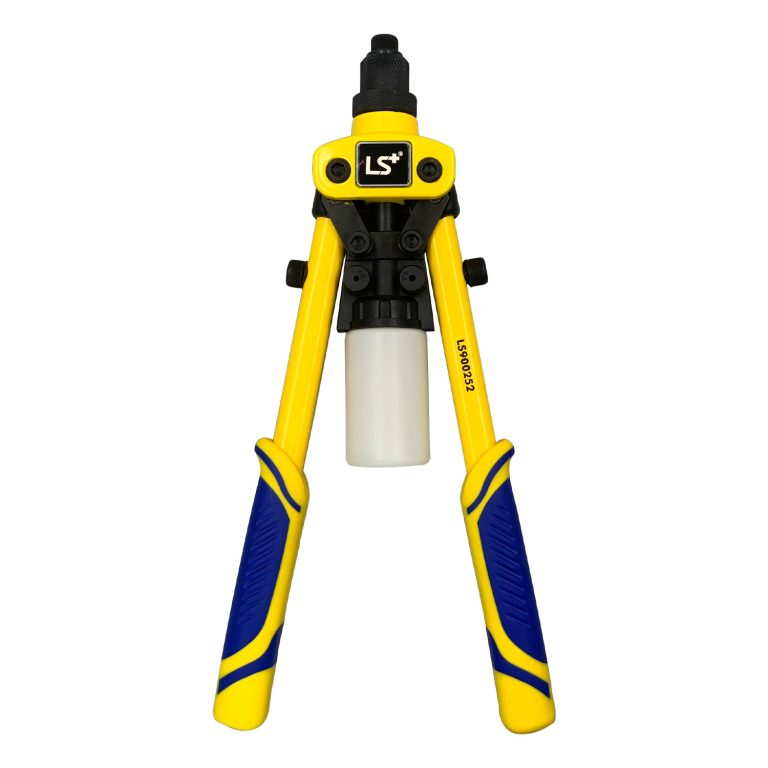
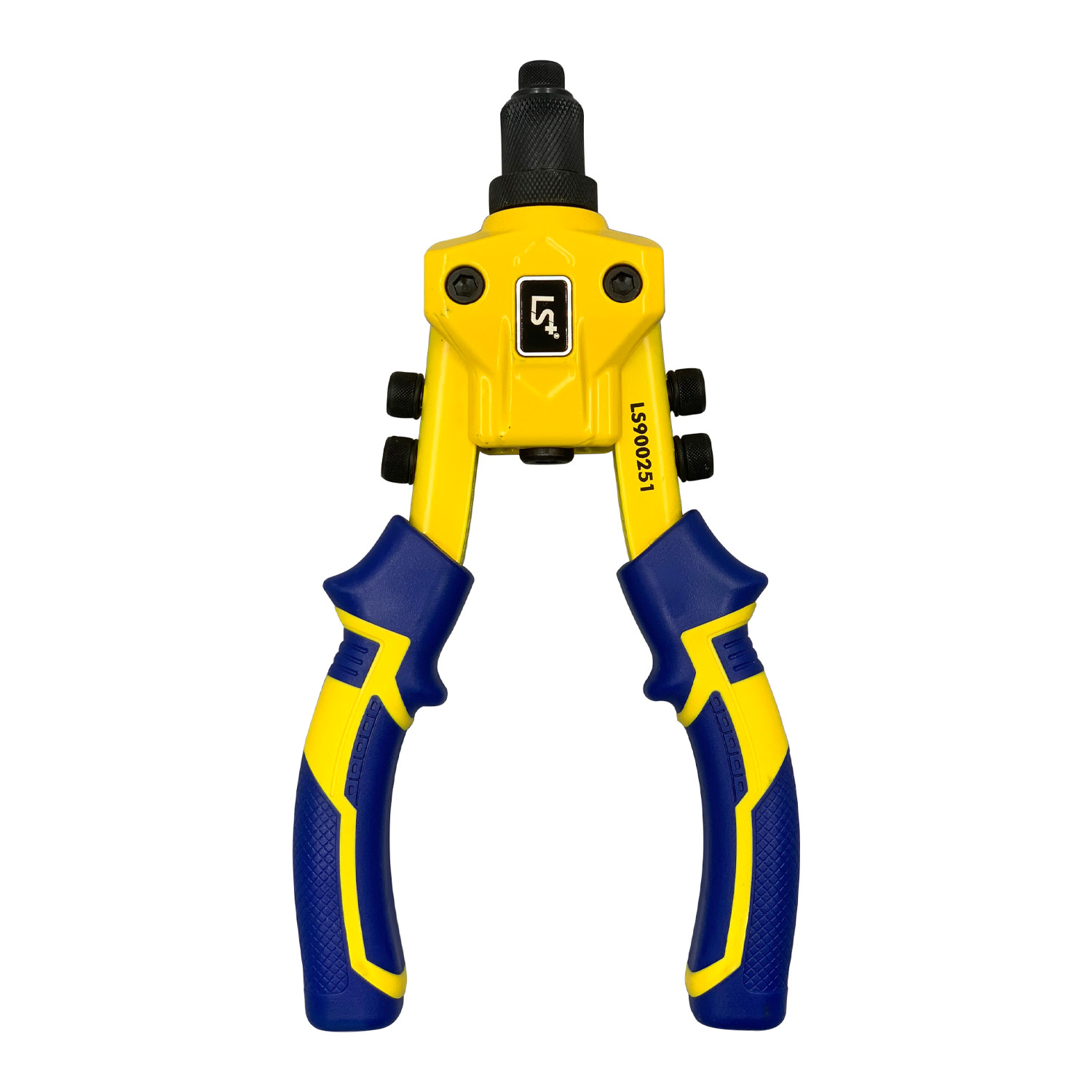
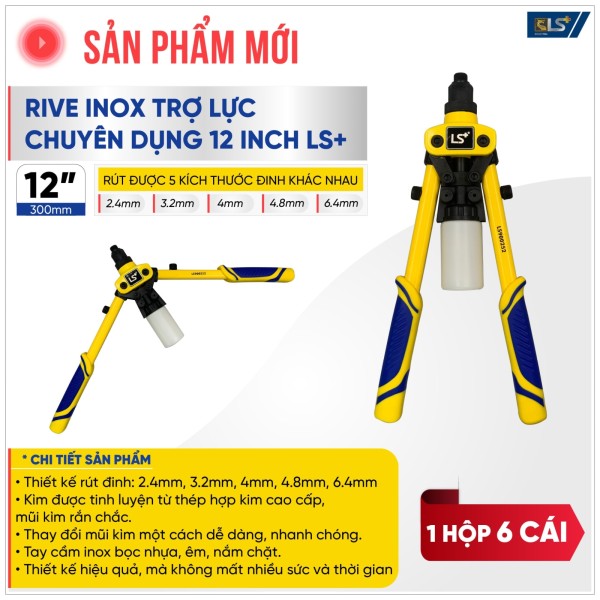
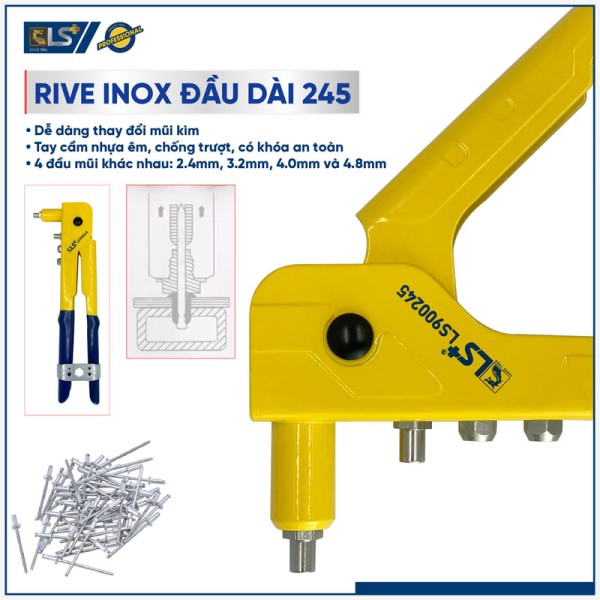
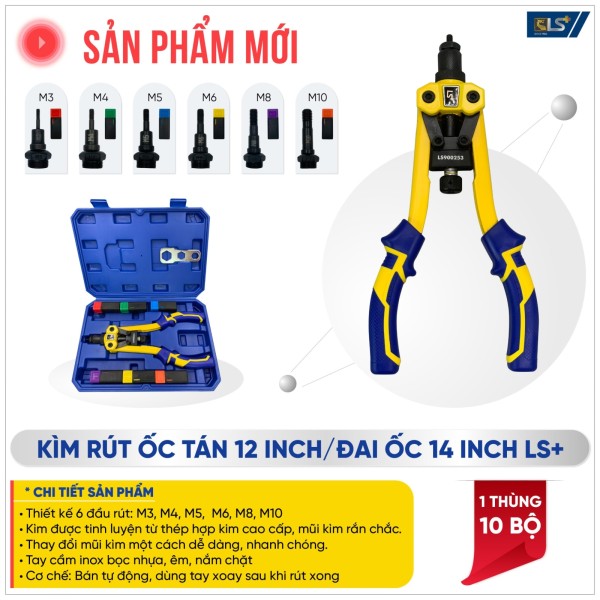
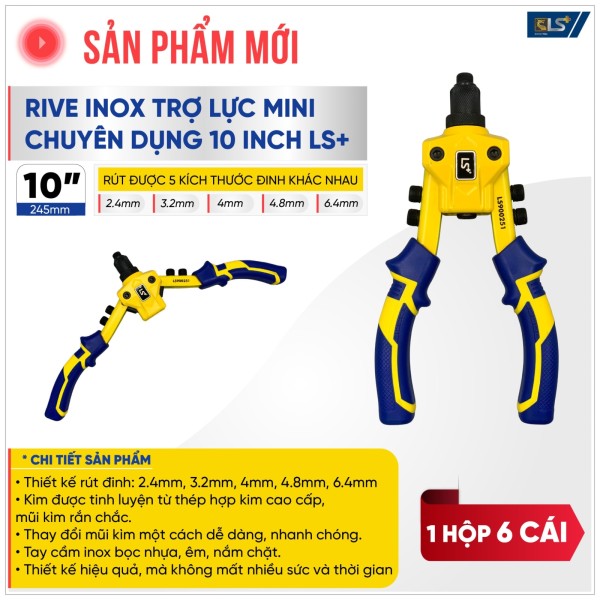
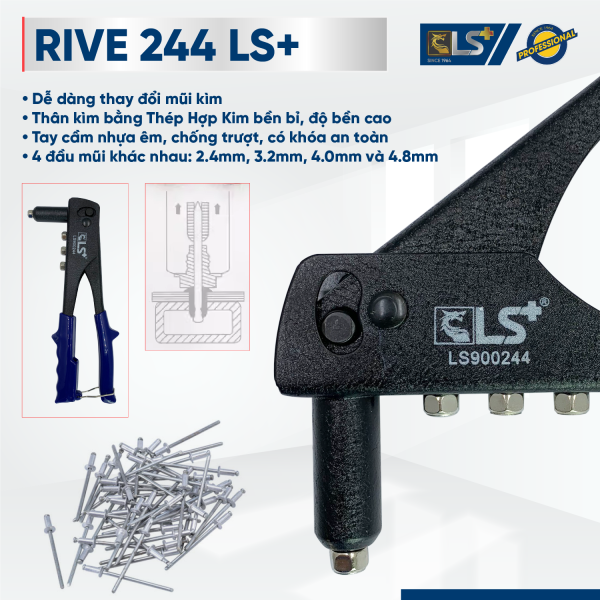
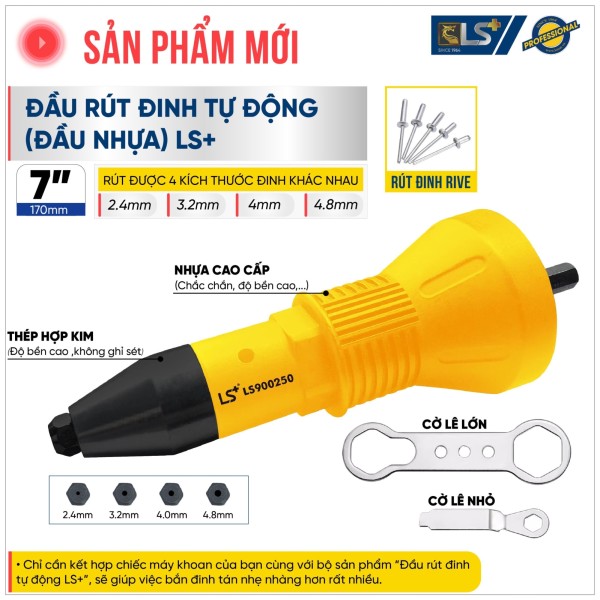
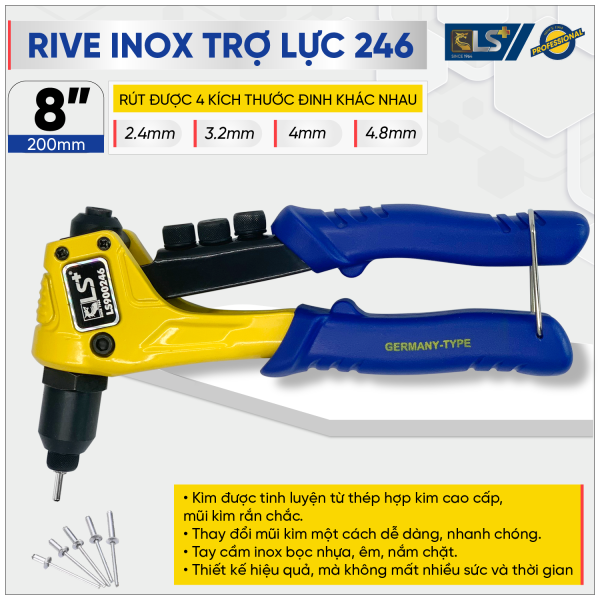
Rivet pliers are specialized tools from the LS+ Pliers series used for installing rivets to join two or more materials. They are commonly used in mechanics, manufacturing, shipbuilding, and furniture production.
Usage Principle: First, select a rivet of the appropriate size for the materials being joined. Insert the rivet's mandrel into the pre-drilled hole in the materials. Insert the nose of the pliers onto the rivet body. Squeeze the handles firmly to deform the rivet's tail, creating a strong connection.
Advantages: Creates fast, aesthetically pleasing, and durable joints, especially useful when welding or using screws is not feasible. Available in various sizes and with different nose pieces to accommodate various rivet types.
Disadvantages: Specialized for riveting only, no multi-purpose function. Requires precision in drilling holes and selecting the correct rivet type.
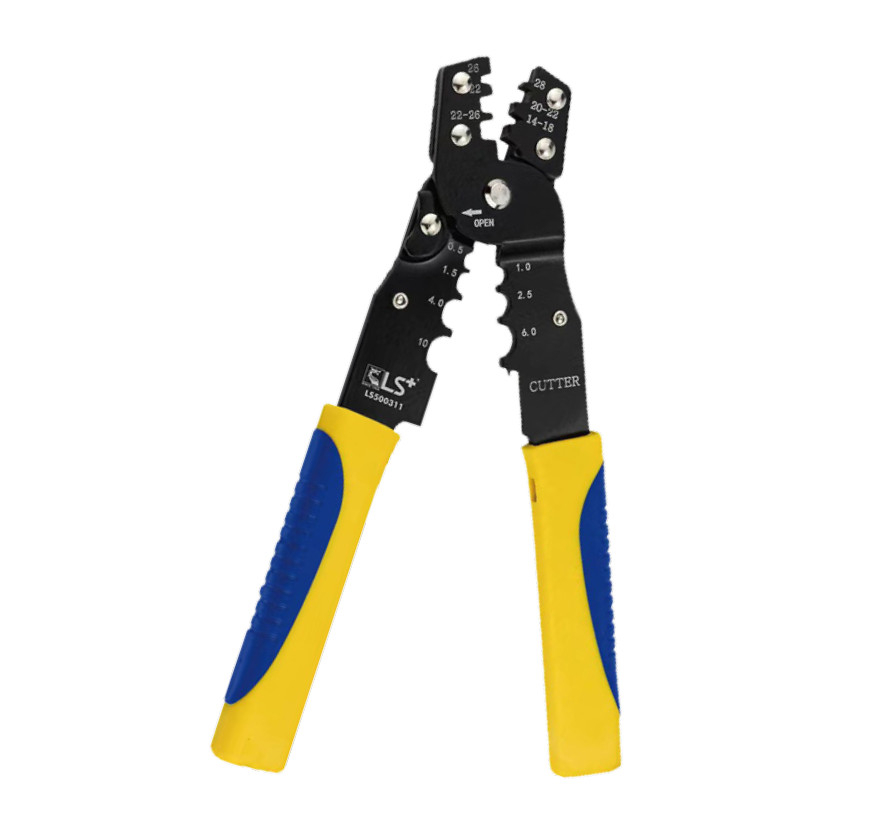
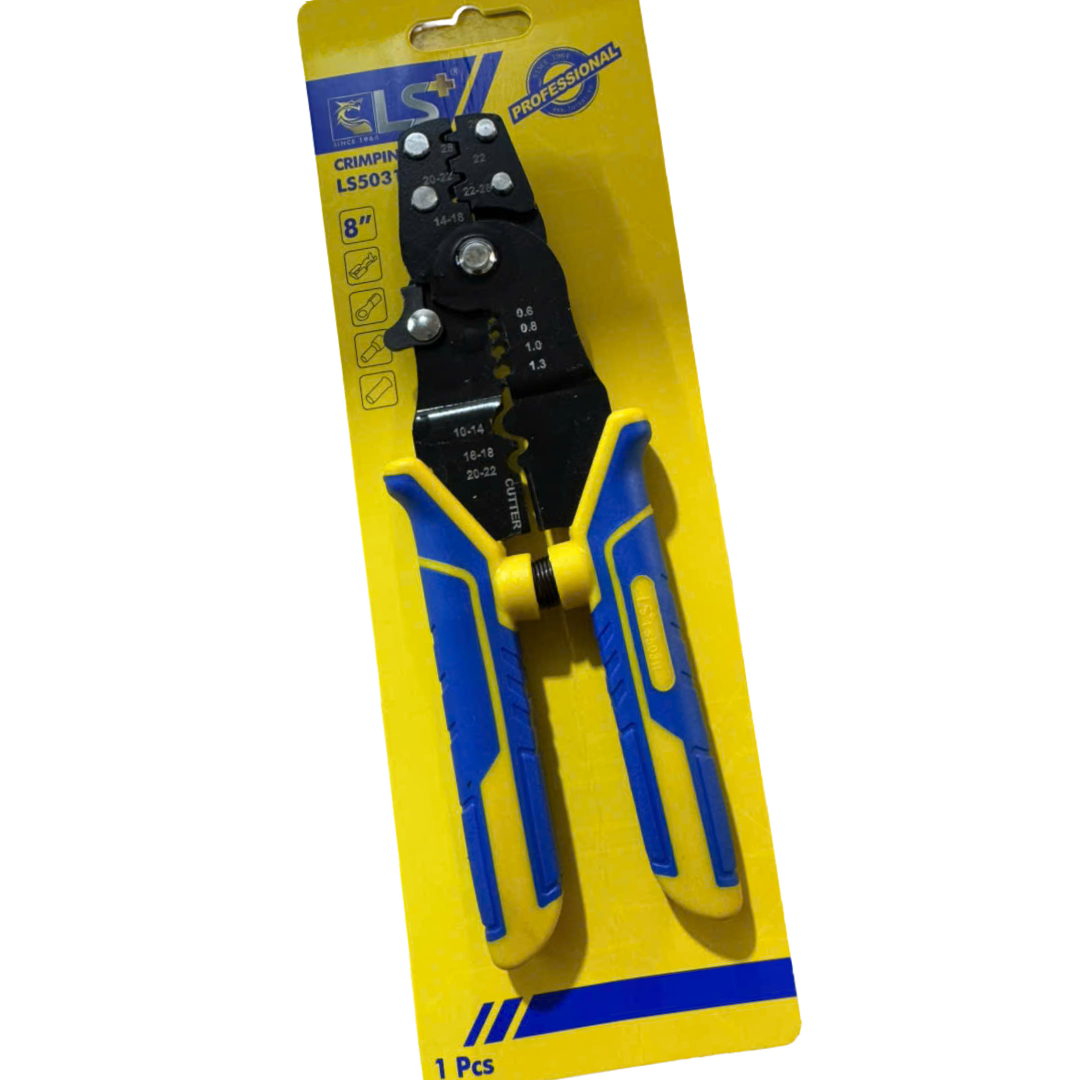
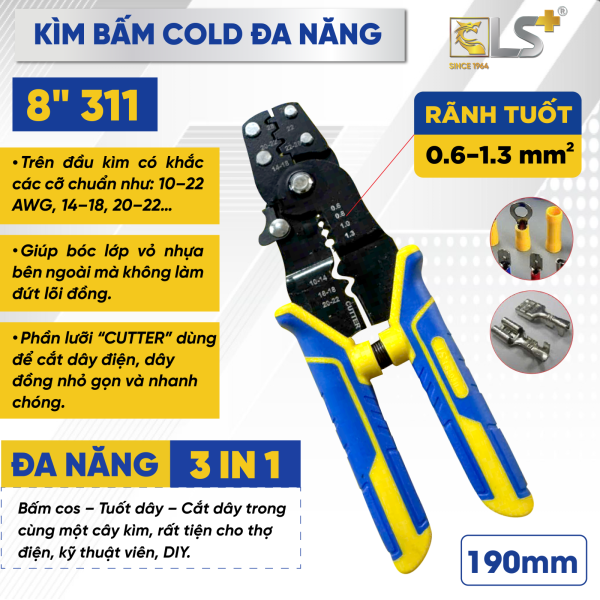
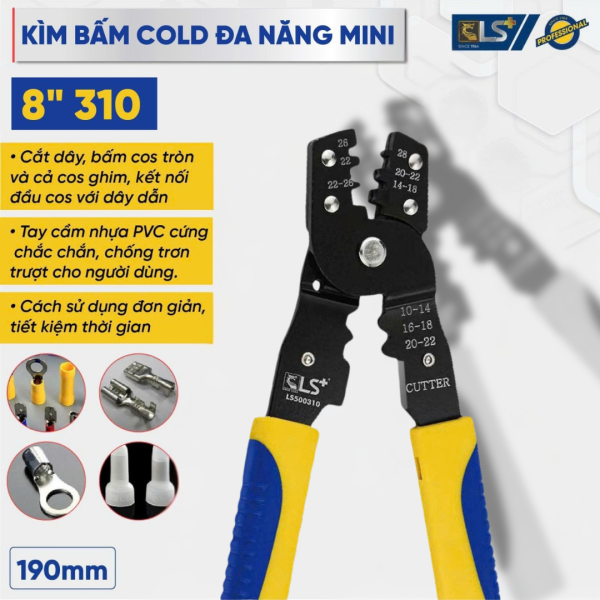
Crimping pliers are indispensable tools in the electrical industry, manufactured by LS+ Pliers. They are used to firmly press terminal connectors onto electrical wires, ensuring good and safe electrical conductivity. There are various types of crimping pliers, distinguished by terminal type (bare, insulated) and wire gauge.
Usage Principle: Select the terminal connector that matches the wire gauge and connection type. Insert the wire into the terminal and place it into the corresponding die on the pliers. Squeeze the handles firmly to crimp the terminal onto the wire, creating a secure connection. Some crimping pliers feature an automatic pressure adjustment mechanism.
Advantages: Ensures stable electrical connections, minimizing risks of short circuits due to poor contact. Enhances the aesthetic appearance of electrical wiring. Available in various sizes and types to meet all needs.
Disadvantages: Requires selecting the correct type of pliers and terminal connector for effective use. Using the wrong type or size can damage the terminal or the wire.
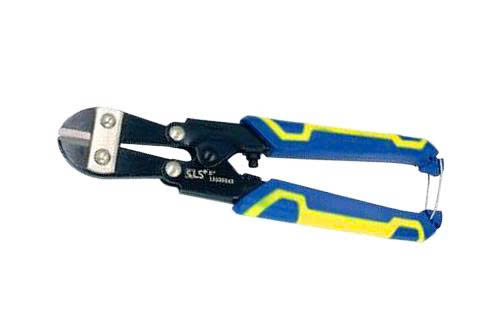
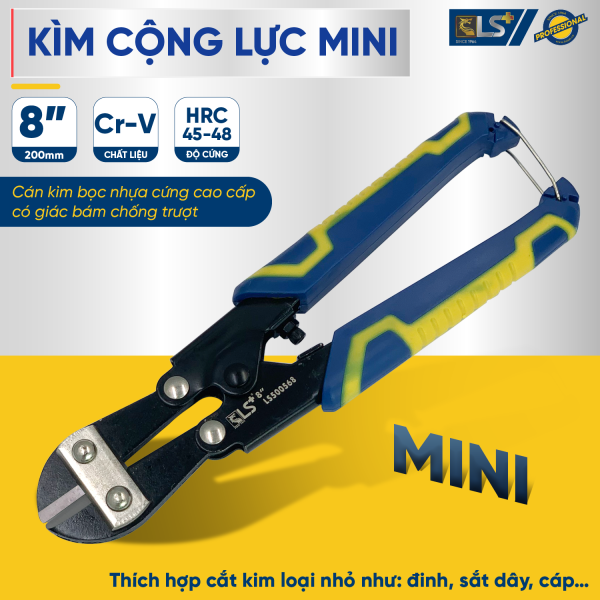
Bolt cutters, also known as cable cutters, are tools designed within the LS+ Pliers product line to cut large-diameter cables and metal wires that are difficult to cut with ordinary human strength. The double-lever mechanism multiplies the applied force, allowing for clean cuts through hard materials.
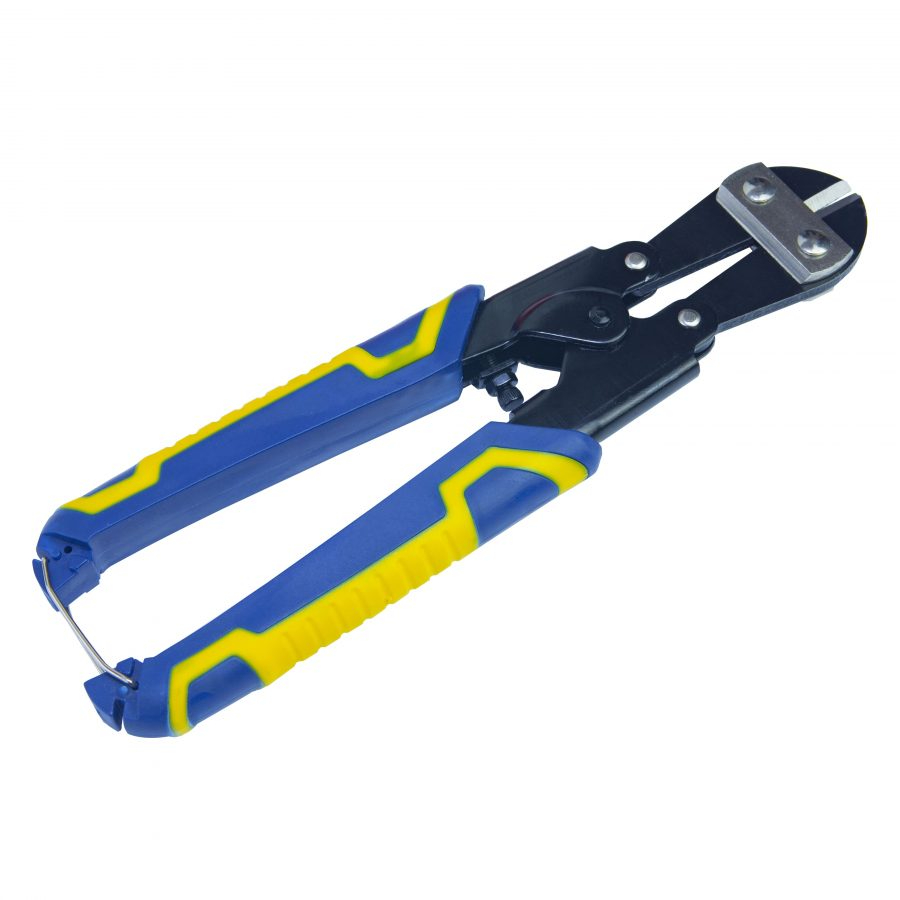
Usage Principle: Open the bolt cutters, place the cable or metal wire to be cut between the blades. Close the handles with strong force. The sharp blades and lever mechanism will cut through the material. Ensure the blades fully engage the material.
Advantages: Powerful cutting force, easily cuts through hard metal materials and large diameters. Long handles increase cutting leverage and reduce user effort. Blades are typically made of high-grade alloy steel for high durability.
Disadvantages: Large size, relatively heavy weight, not suitable for tasks requiring dexterity or in tight spaces. No other function besides cutting.
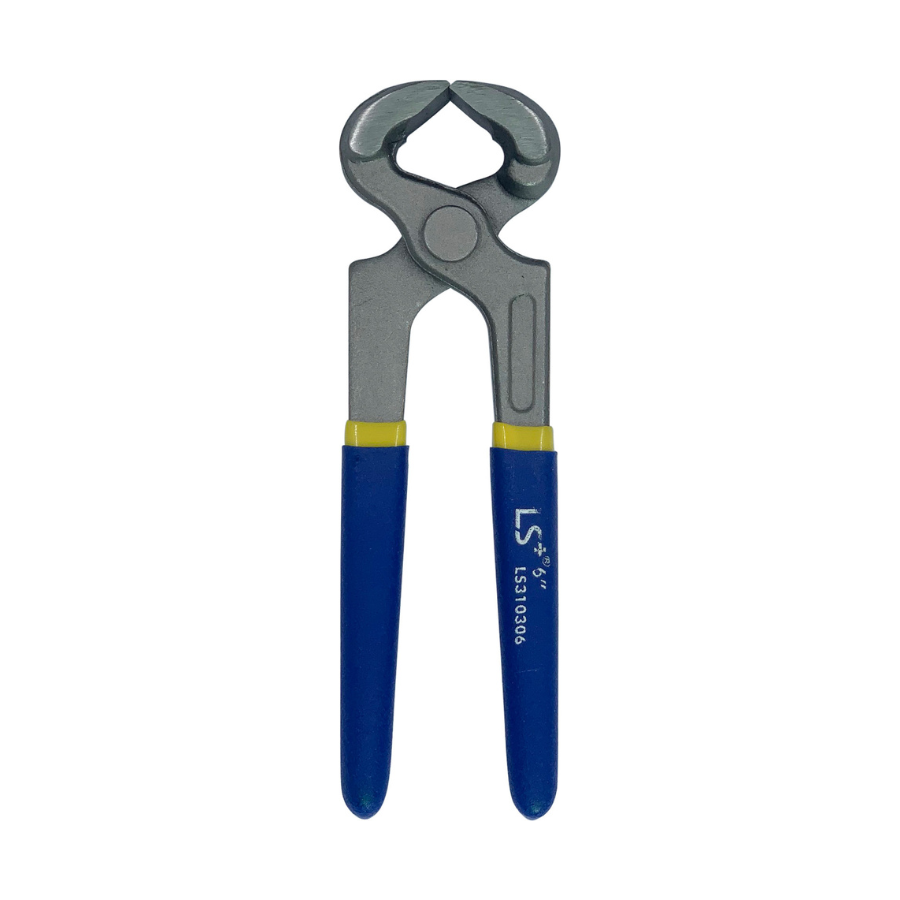
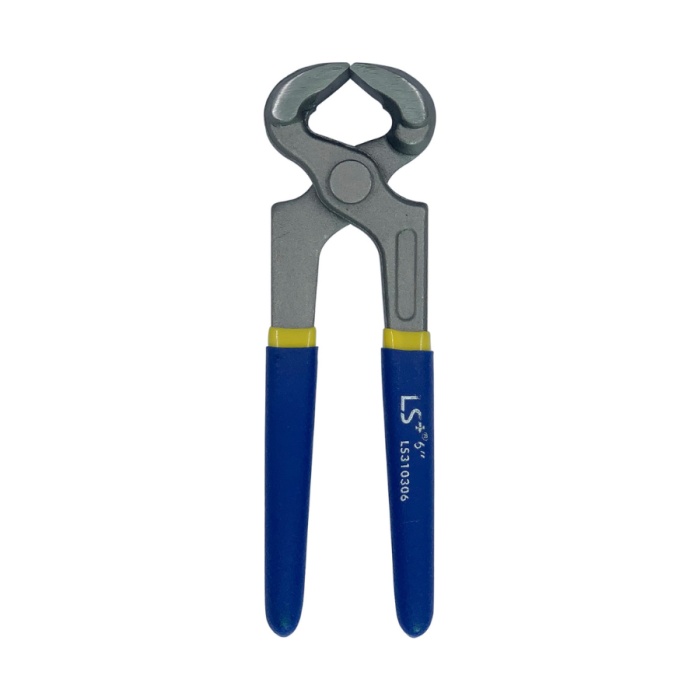
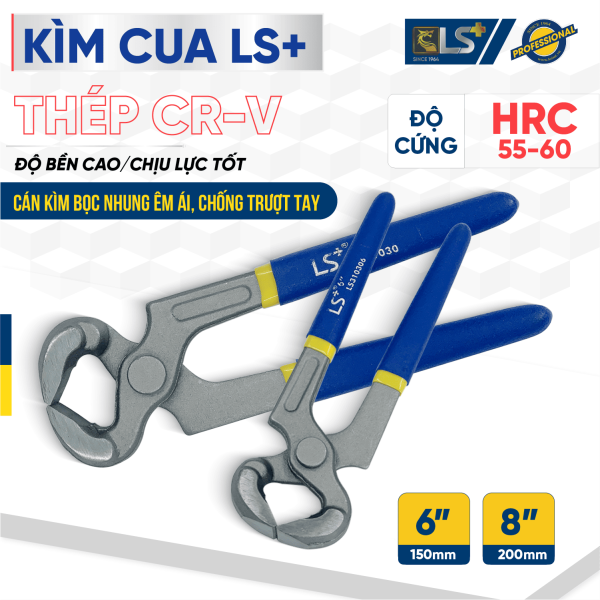
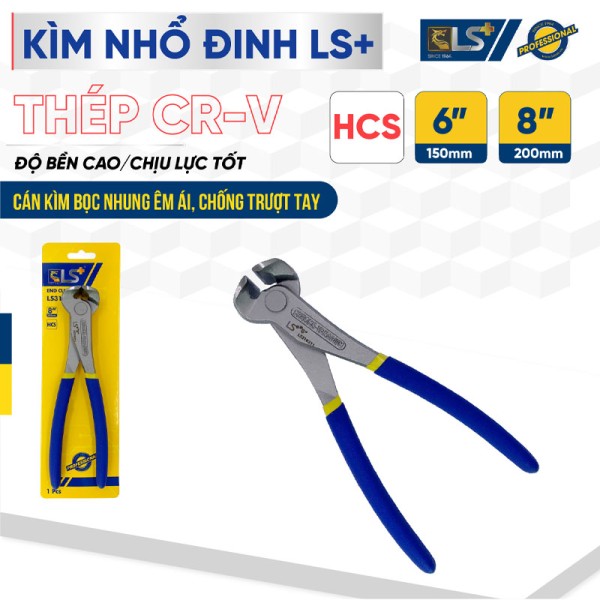
Nail puller pliers, or "crab pliers," are specialized hand tools from the LS+ Pliers series with rounded, flattened, and slightly curved jaws (resembling crab claws → hence the name "crab pliers"). The jaws meet closely, allowing them to grip nail heads firmly. Long handles create strong leverage. Made from high-strength, durable CRV steel.
Usage Principle: Pulling nails, staples, or stuck screws; gripping and cutting soft metal wires; assisting in dismantling materials in construction and carpentry. Use the jaws to grip the object. The jaw edges can be used to bend or cut thin materials like copper wire or small steel wires. Ensure the grip is firm enough to hold the object without deforming it. Crab pliers operate on the principle of a lever:
Advantages: Flexible for gripping and manipulating small details. The flat jaws allow for precise work on wider surfaces. Easy to use and operate.
Disadvantages: Limited cutting capacity, only suitable for soft materials or small cross-sections. Grip is not as strong as pliers with larger serrations.
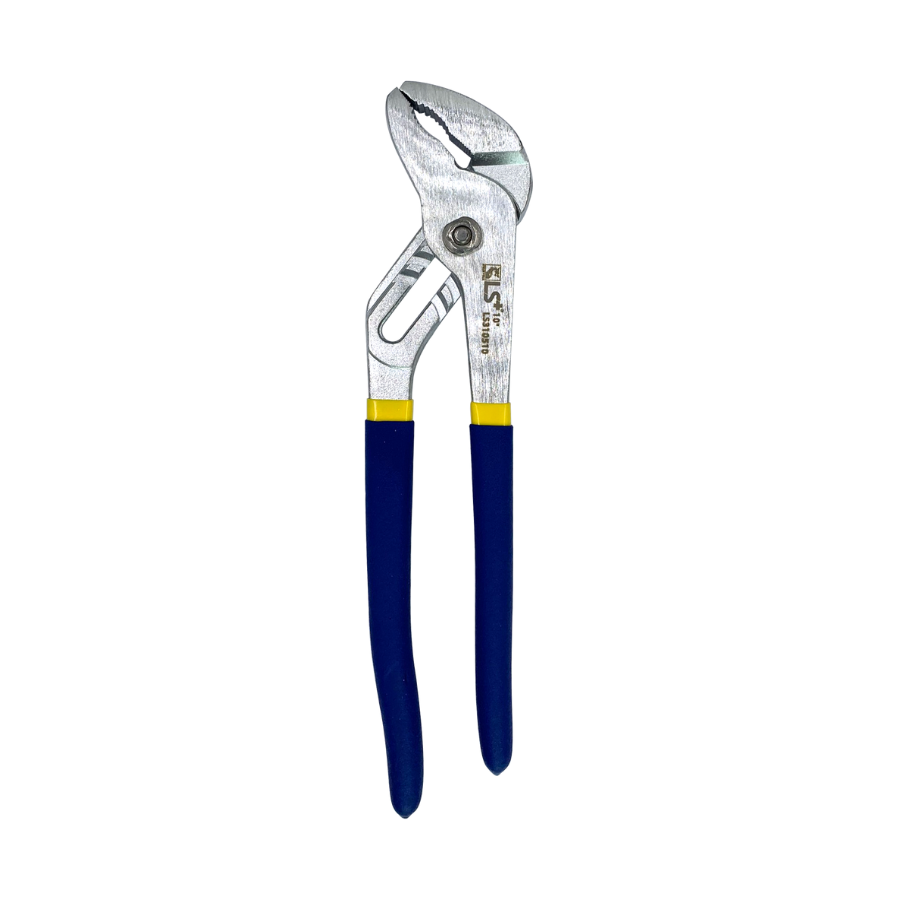
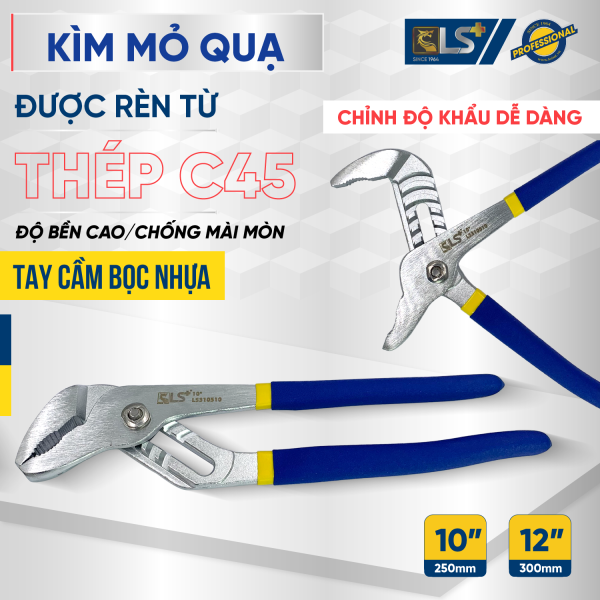
Groove joint pliers, also known as plumber's pliers or slip-joint pliers, are characterized by their large, serrated, curved jaws that resemble a duck's bill. They are designed to grip and hold irregularly shaped objects, pipes, or damaged bolts and nuts. The adjustable jaw opening allows the pliers to firmly grip objects of various sizes.
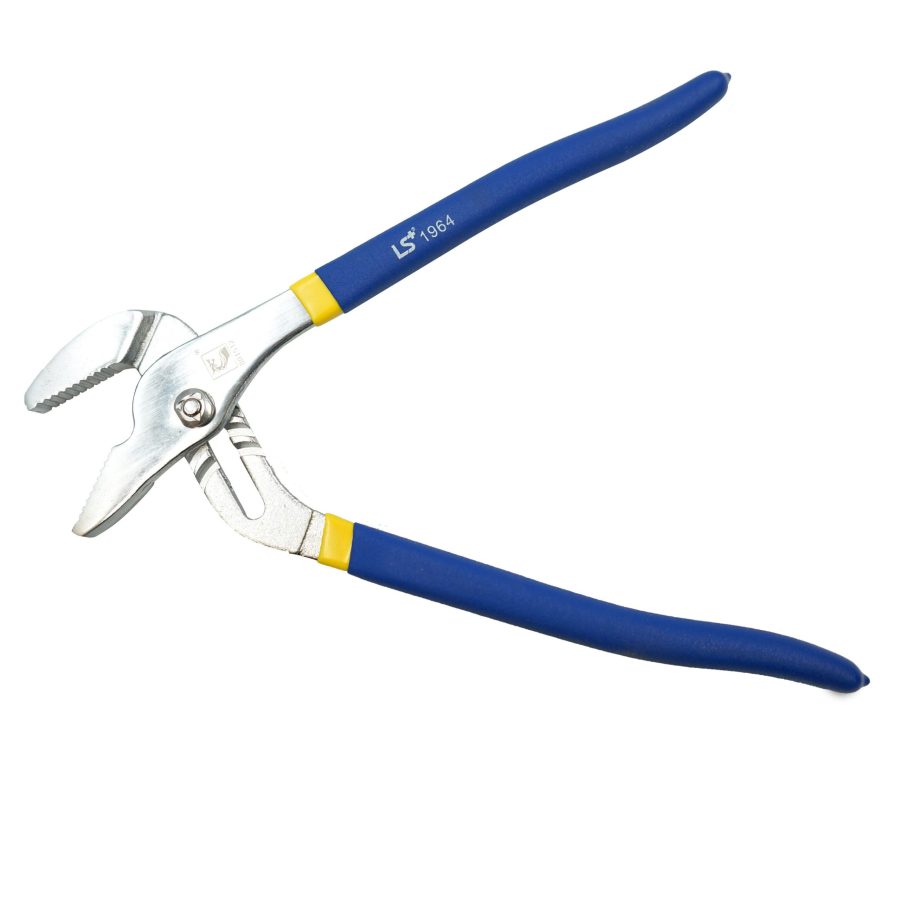
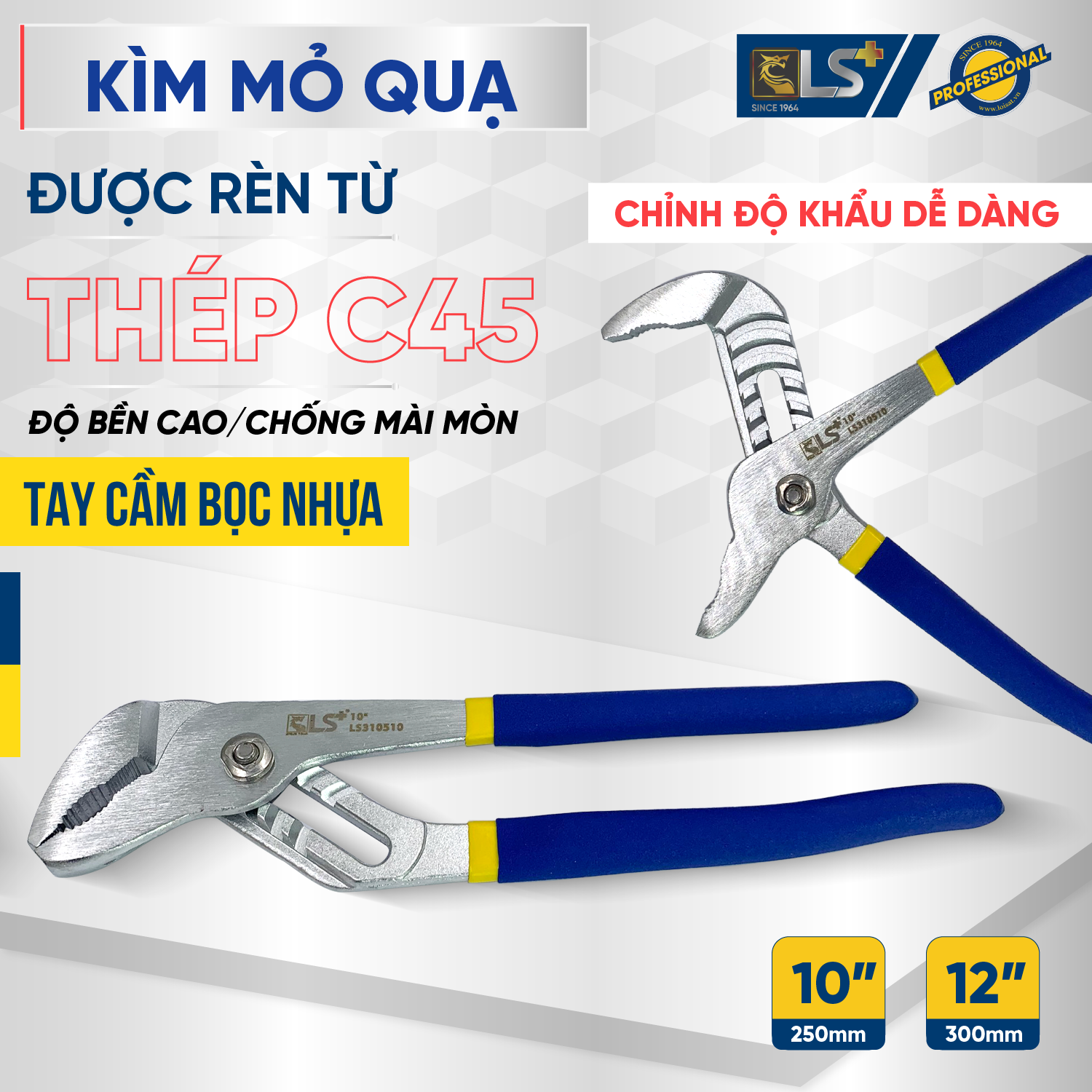
Usage Principle: Adjust the jaw opening of the pliers to match the size of the object to be gripped. Place the jaws onto the object and squeeze the handles firmly to lock them. The gripped object can be rotated or pulled using the pliers.
Advantages: Strong gripping capability, versatile, ideal for pipe repair and holding round or irregular objects. High durability, capable of withstanding significant force.
Disadvantages: Typically large and heavy, may not be convenient for working in tight spaces. The large serrations can damage the surface of the object if not used carefully.
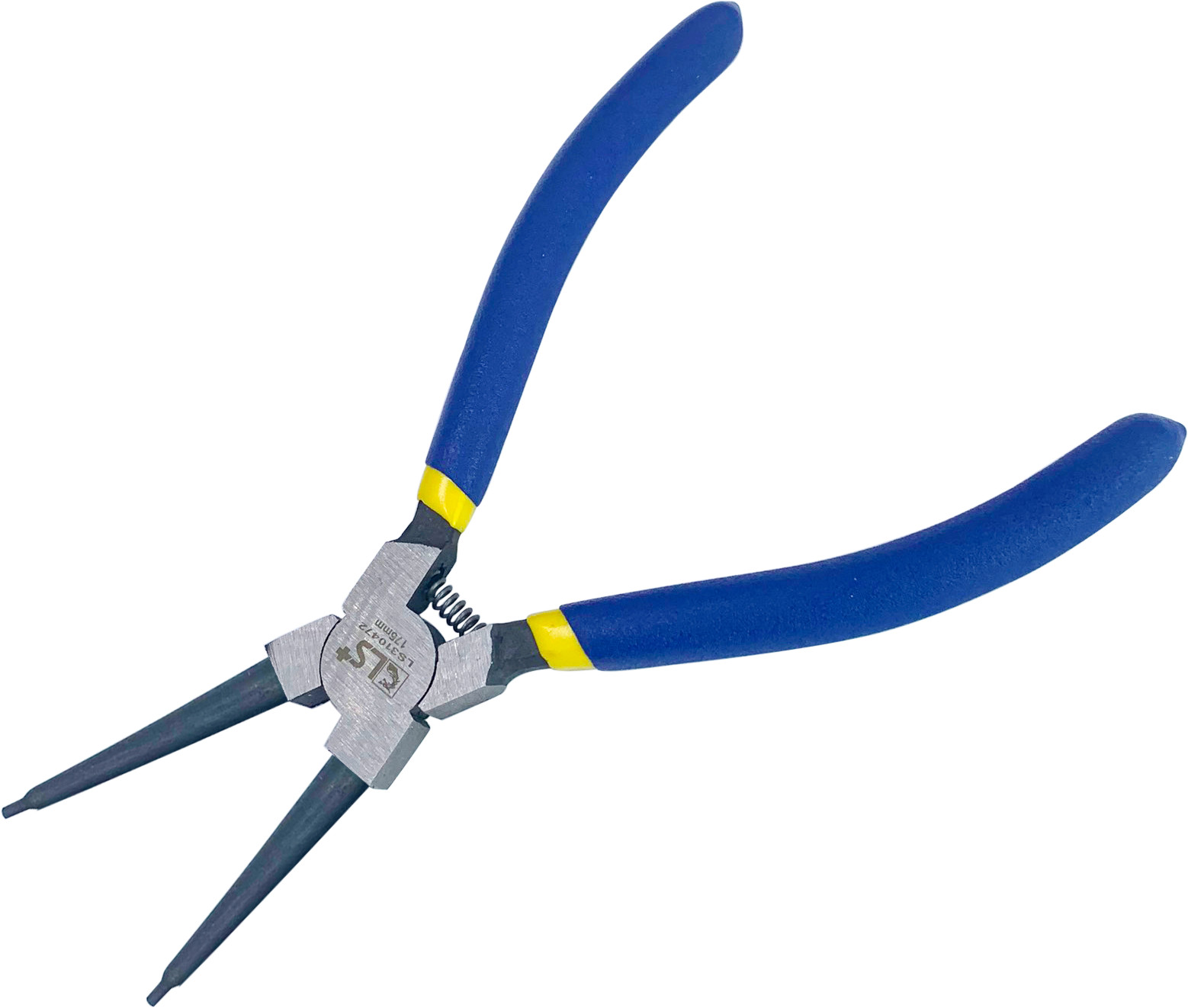
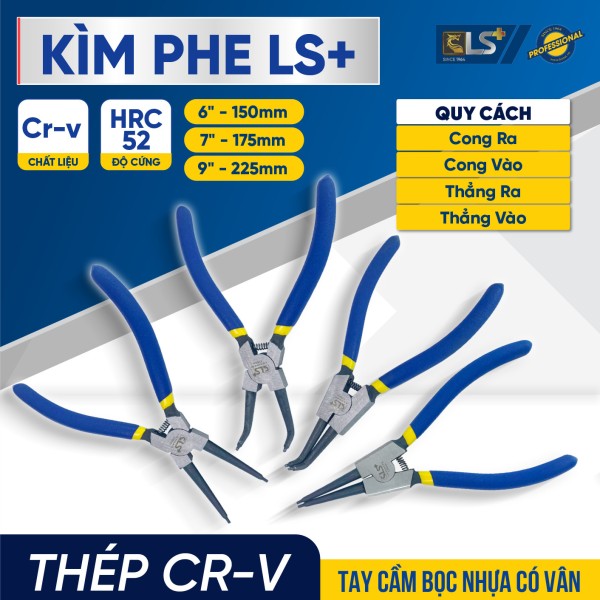
Circlip pliers are specially designed for installing or removing circlips (retaining rings) in joints and shafts. There are two main types: internal circlip pliers (for rings in holes) and external circlip pliers (for rings on shafts). The plier tips are pointed and slender to fit into the small holes of the circlip.
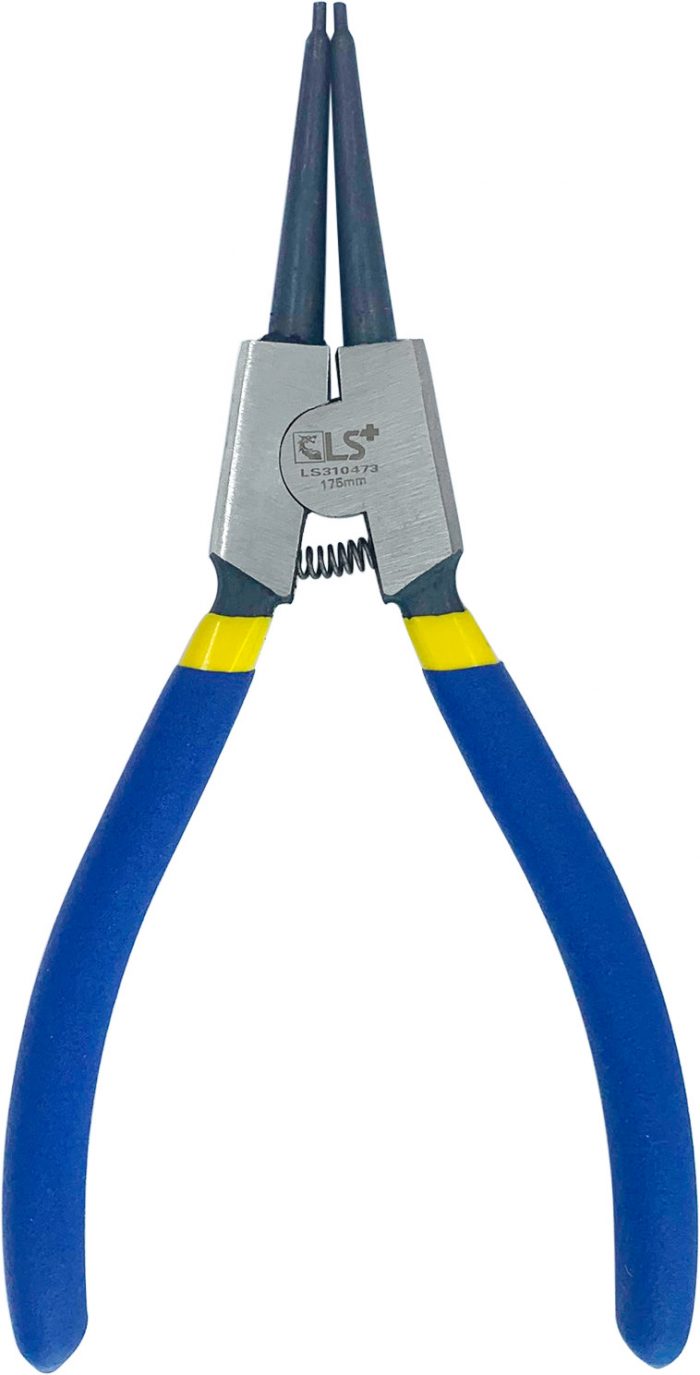
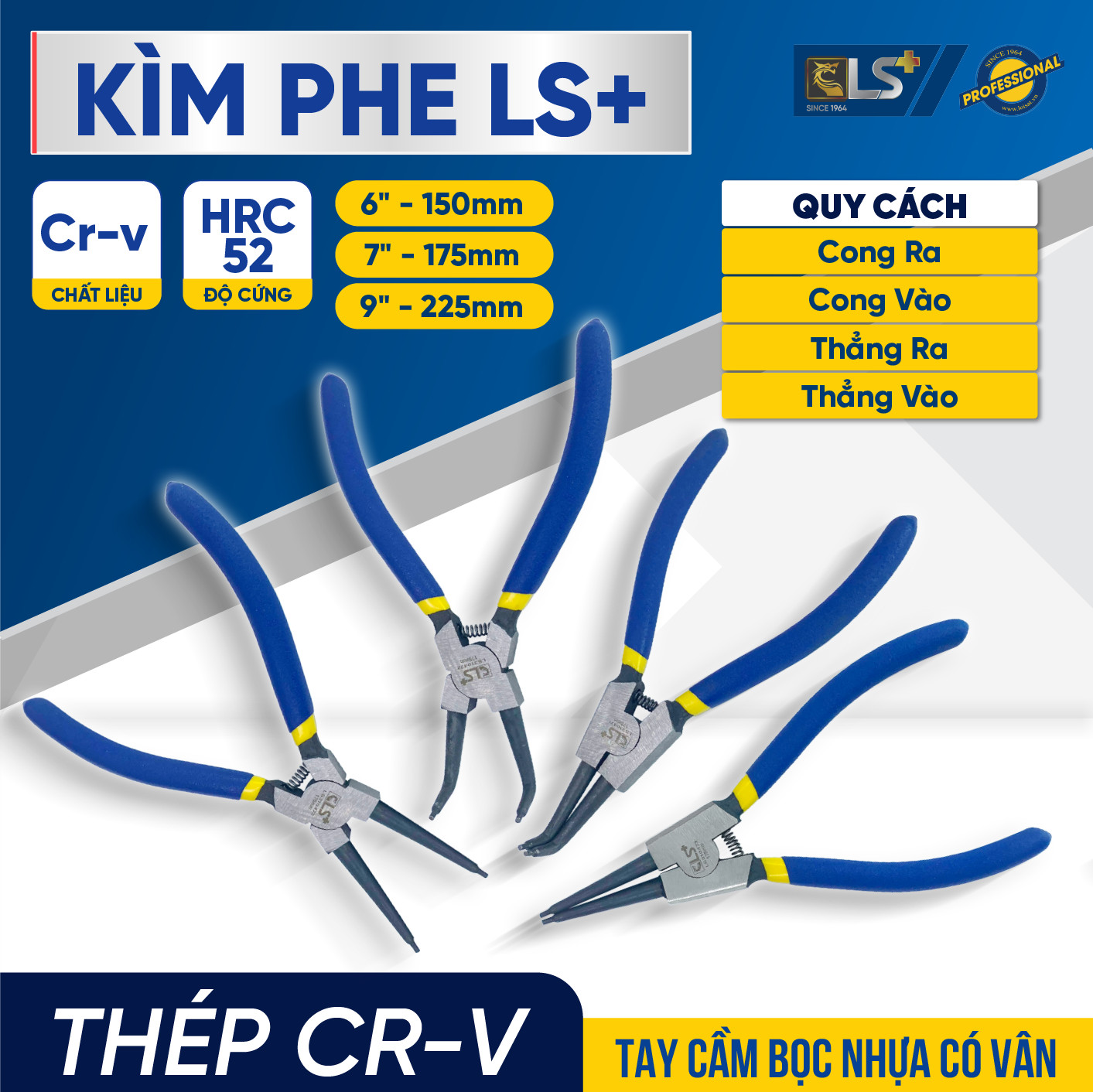
Usage Principle: Select the correct type of circlip pliers (internal or external) and the appropriate tip size for the circlip. Squeeze or open the handles to spread or close the plier tips, inserting them into the circlip's holes. Then, use force to push or pull the circlip into or out of its position.
Advantages: Specialized and highly effective for working with circlips. Makes assembly and disassembly tasks faster and more precise. Reduces the risk of deforming the circlip.
Disadvantages: Used only for one specific purpose. Requires the user to have knowledge of circlip types and how to use circlip pliers.
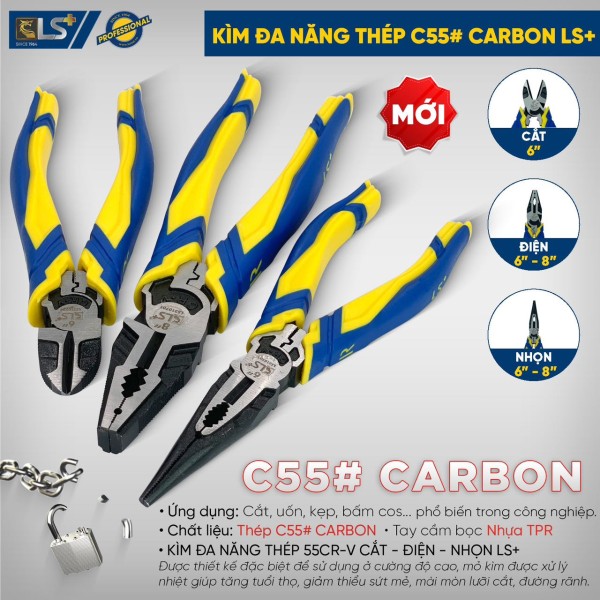
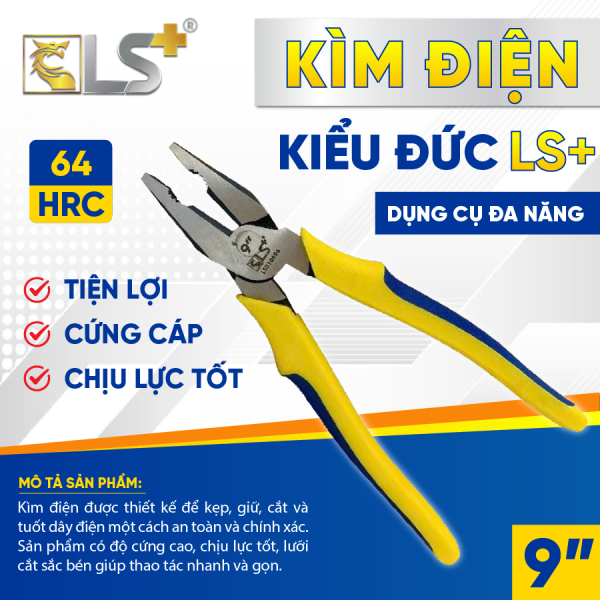
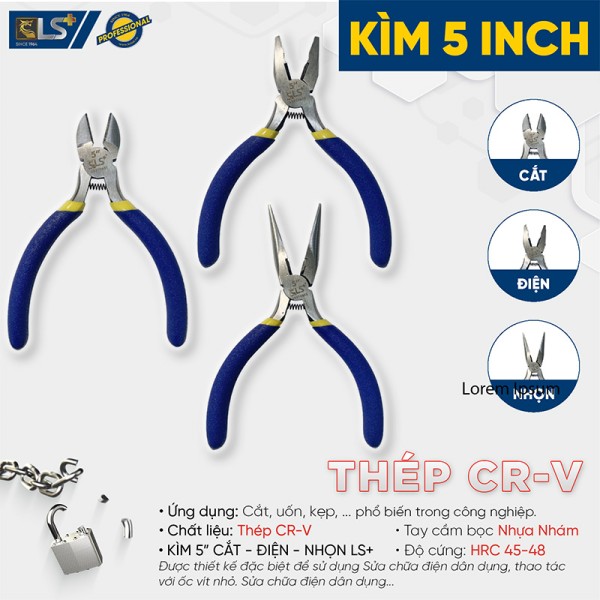
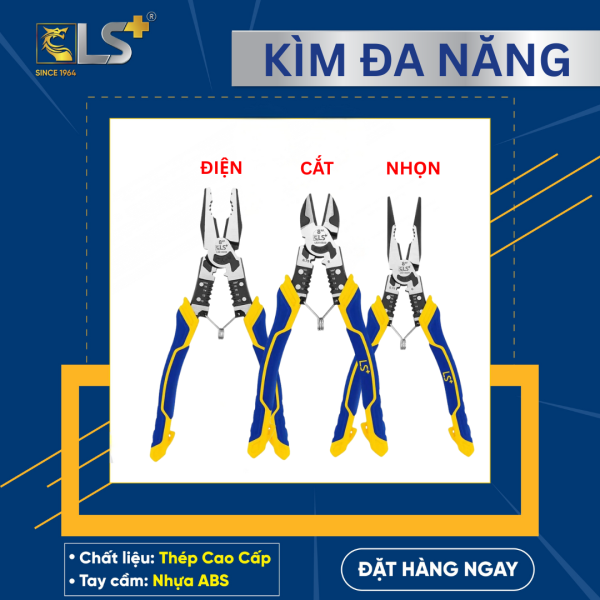
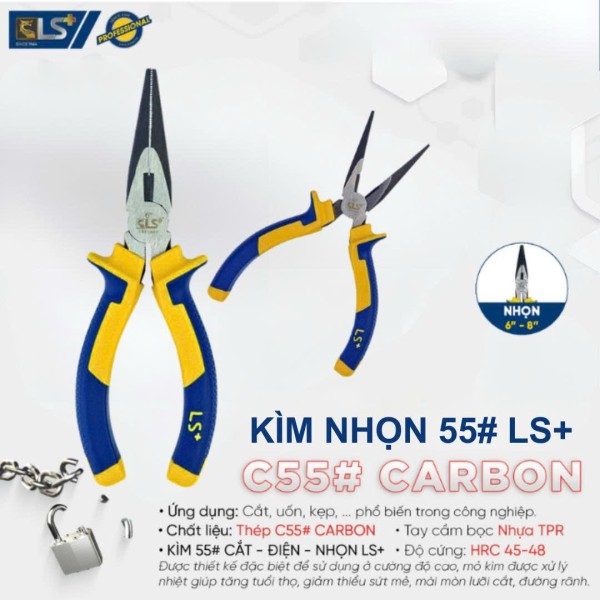
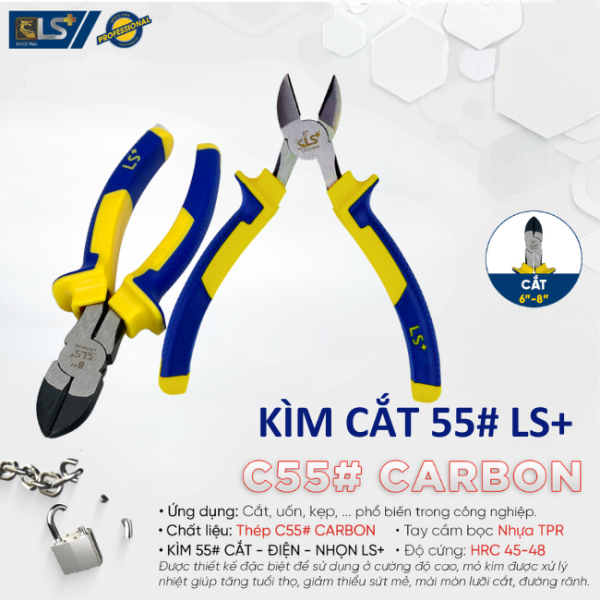
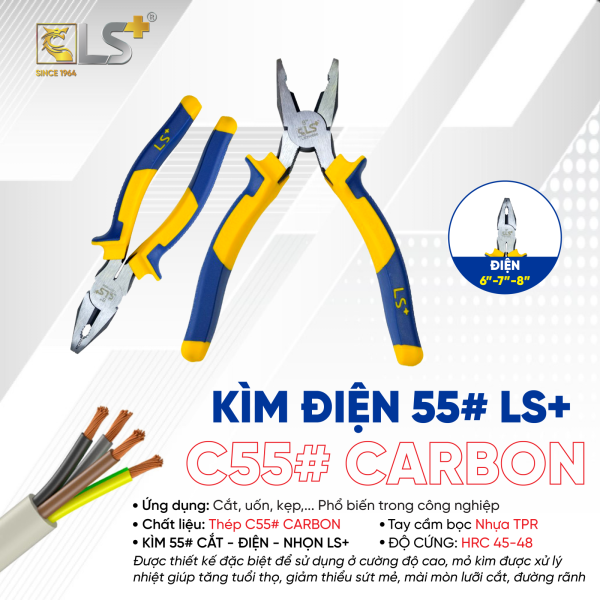
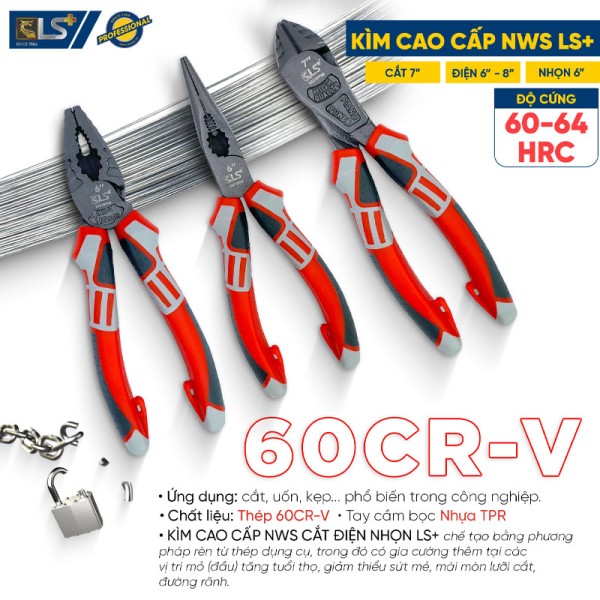
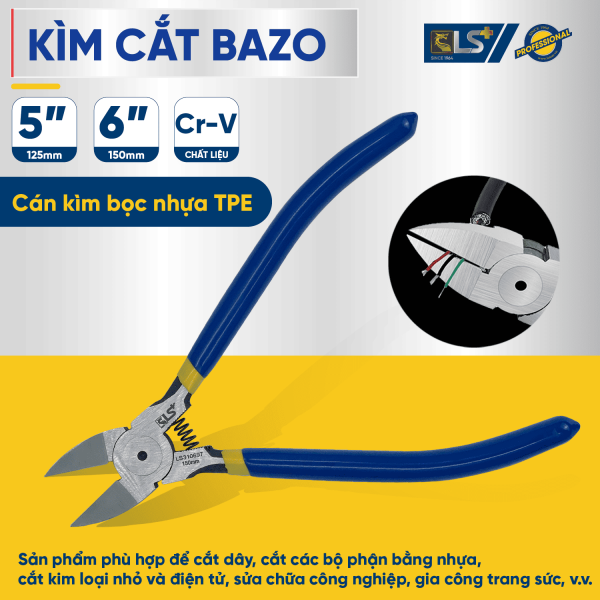
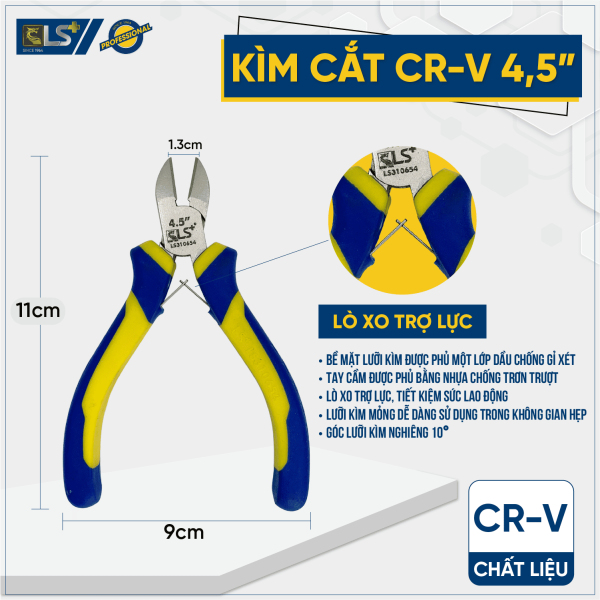
This is a versatile group of LS+ Pliers, essential for anyone working with electricity or requiring precise manipulation. Cutting pliers are used for cutting electrical wires and small metal wires. Electrical pliers typically have insulated handles for safety when working with live circuits. Needle-nose pliers (long-nose pliers) have slender, long jaws, ideal for bending, gripping, or retrieving small objects in confined spaces.
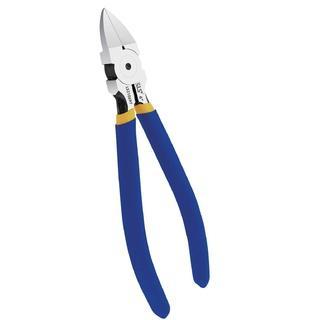
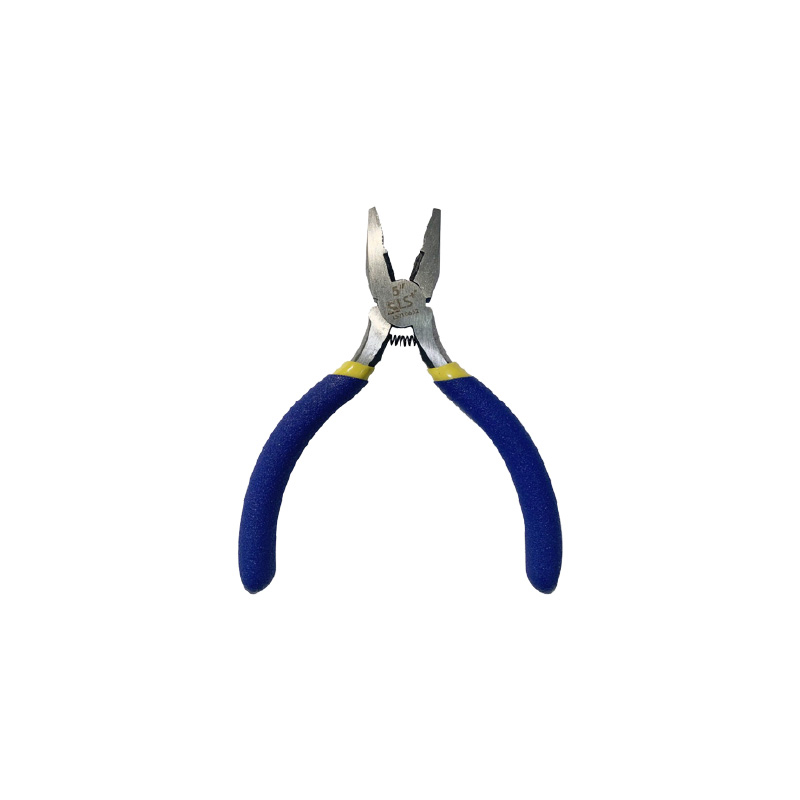
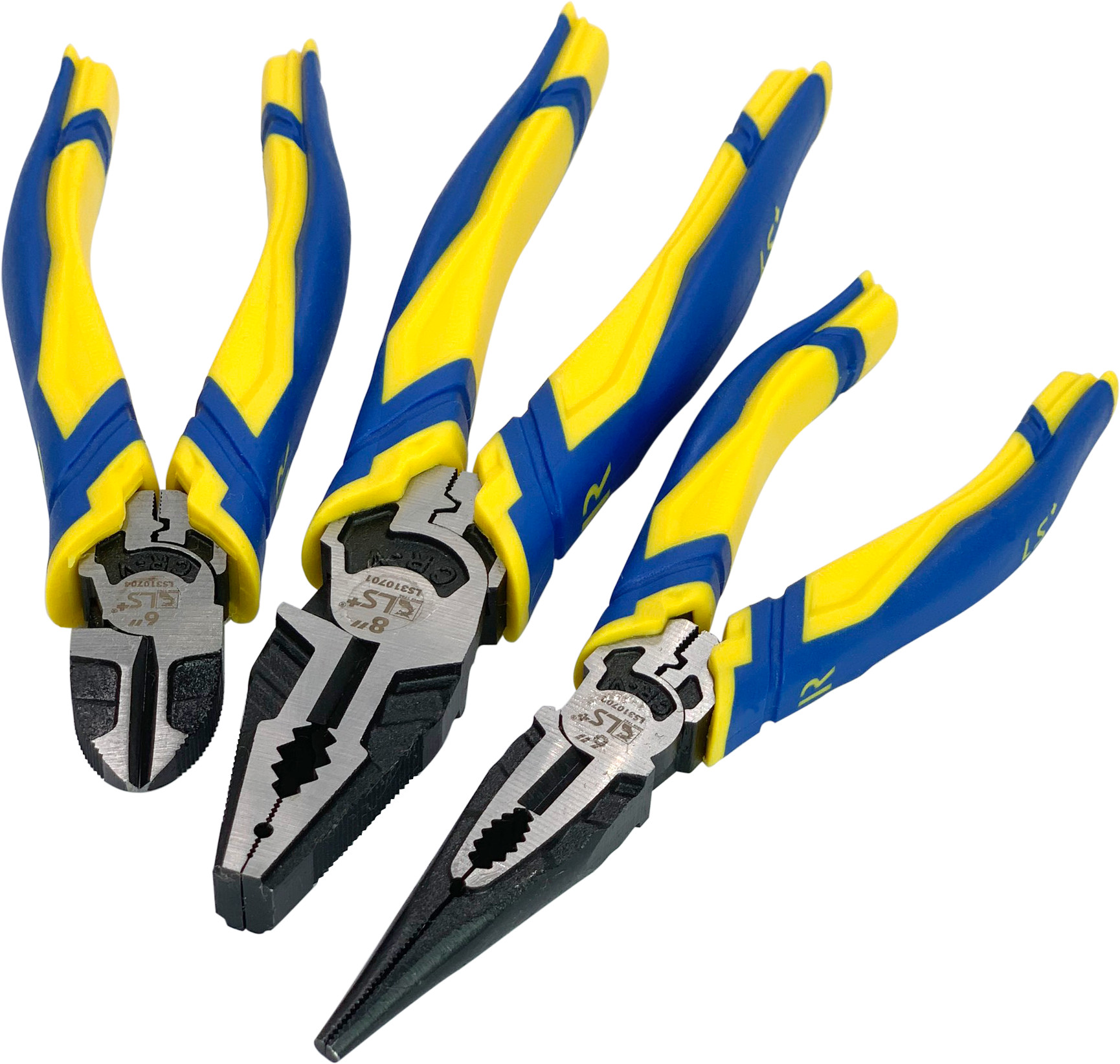
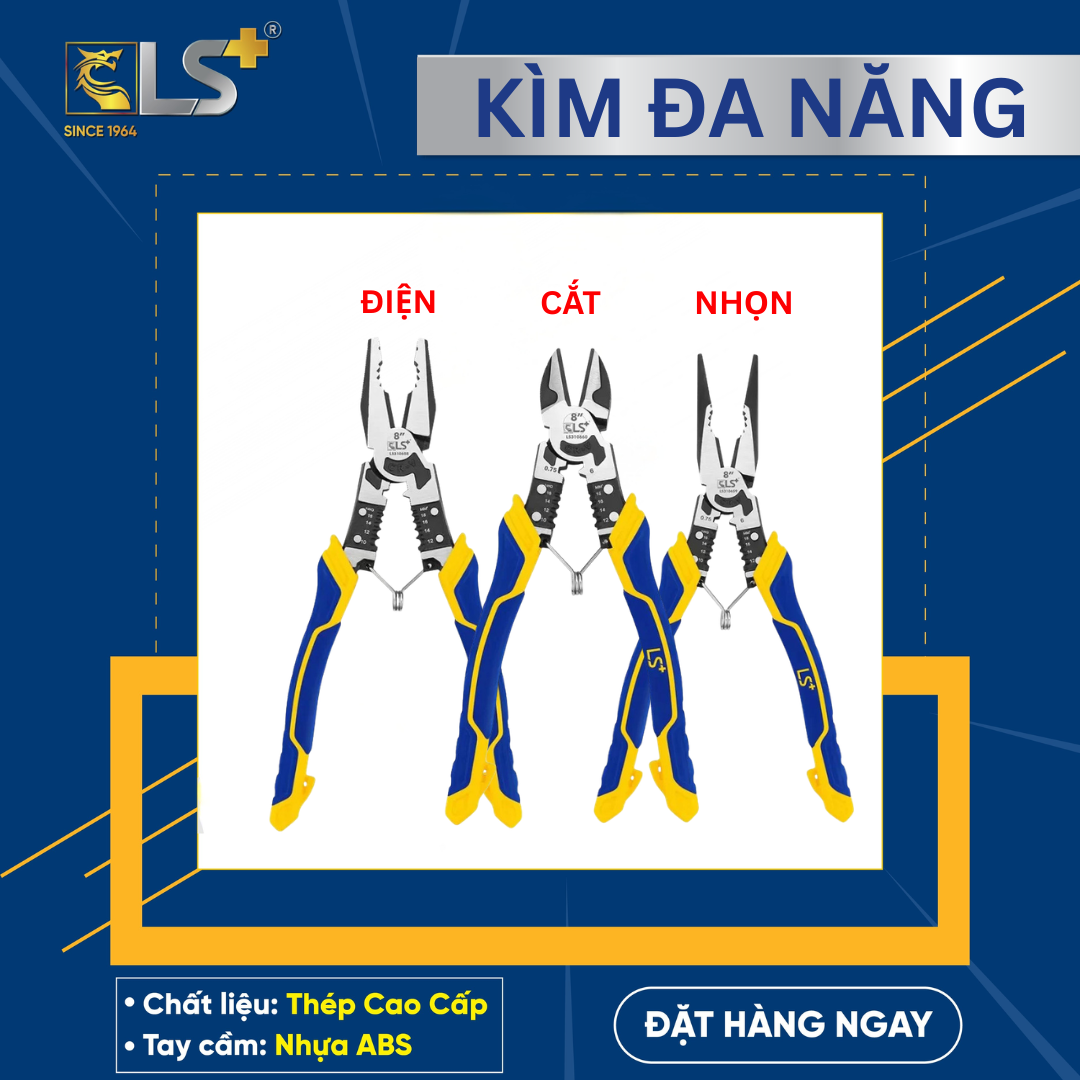
Usage Principle: Cutting pliers: place the wire between the cutting edges and squeeze the handles. Electrical pliers: use similarly to cutting pliers but pay attention to the insulation. Needle-nose pliers: use the tip to grab, bend, or reach into difficult-to-access areas.
Advantages: Multi-functional, convenient for various tasks, especially in electrical work and basic repairs. Electrical pliers ensure user safety. Needle-nose pliers help handle small components.
Disadvantages: Cutting capacity of cutting and electrical pliers is not as strong as bolt cutters. Needle-nose pliers have small jaws, not suitable for gripping or cutting large objects.
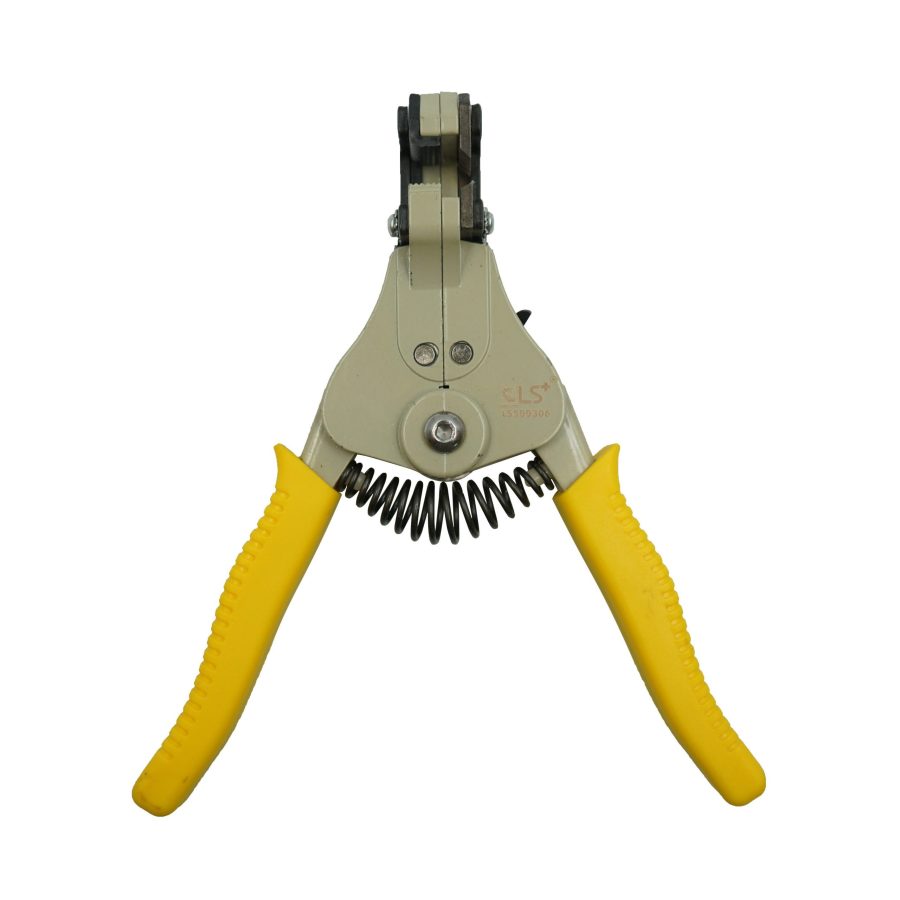
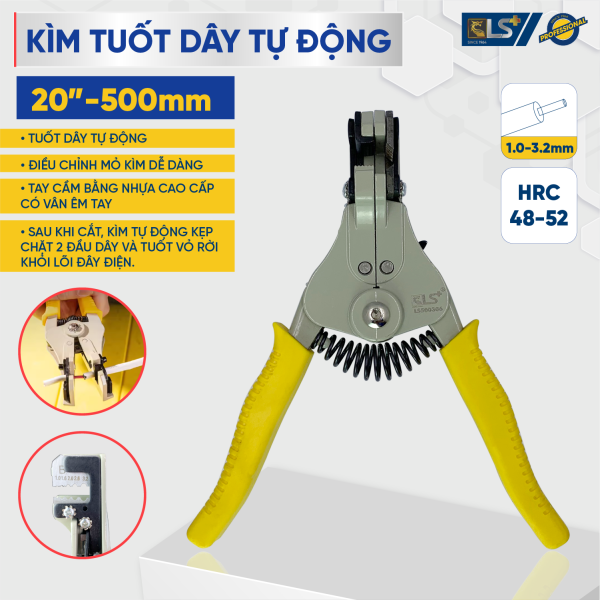
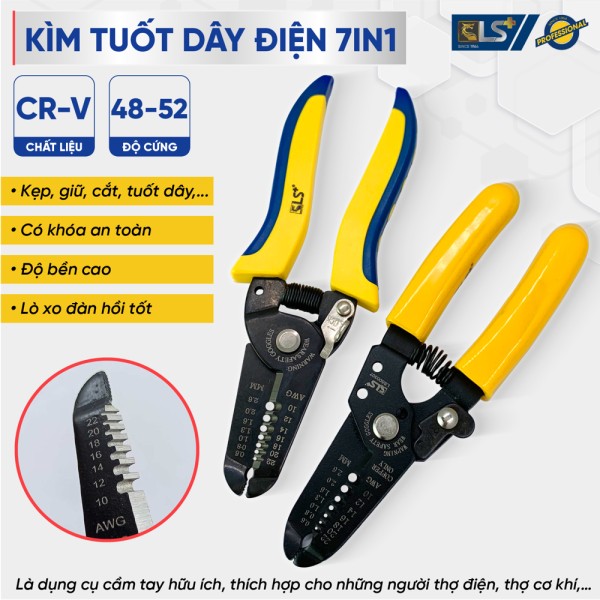
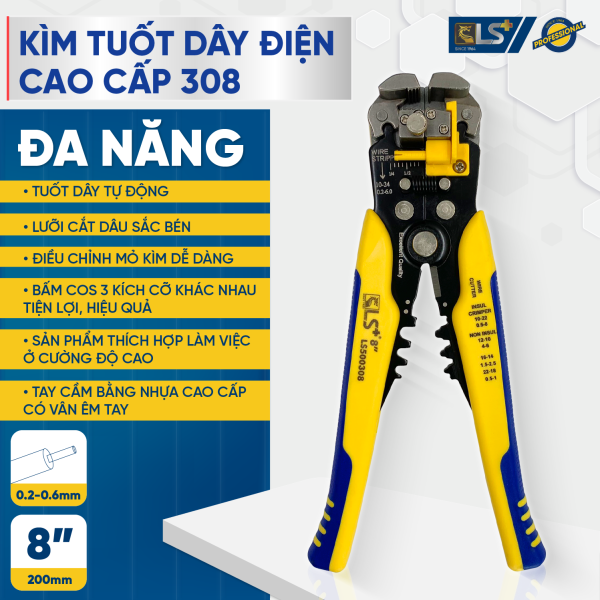
Wire strippers are specialized tools used to remove the outer insulation layer of electrical wires without damaging the inner conductors. There are various types of wire strippers, from manual to automatic, with adjustable cutting depth or automatic wire gauge recognition.
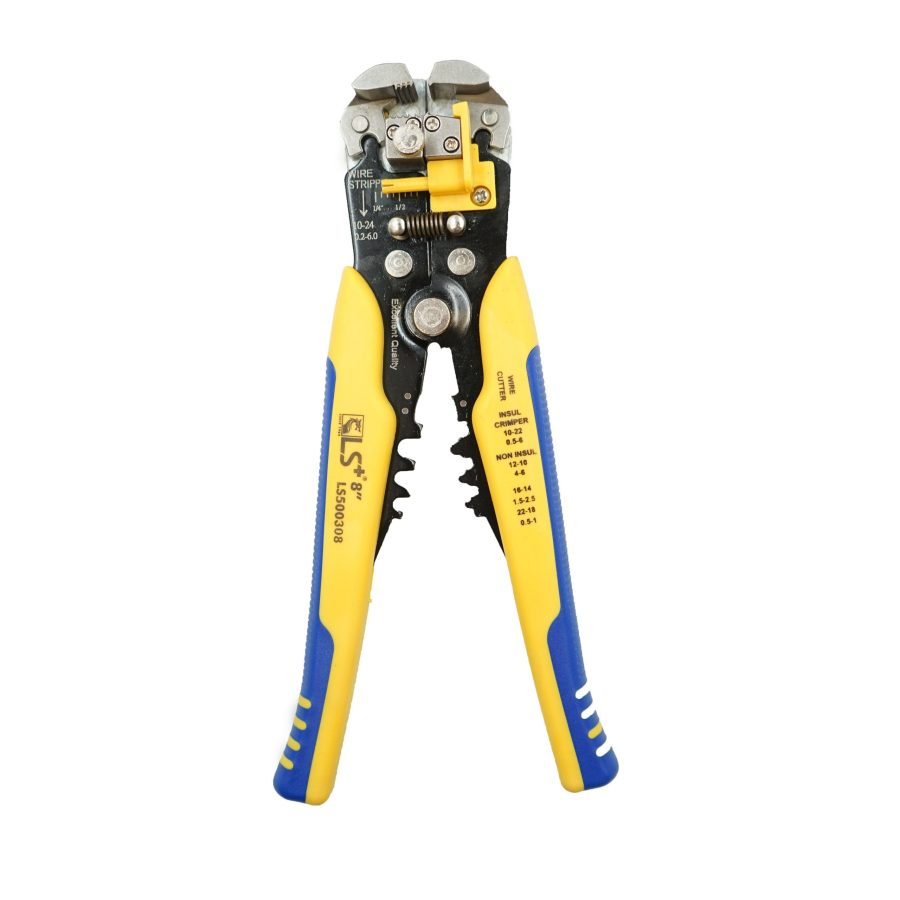
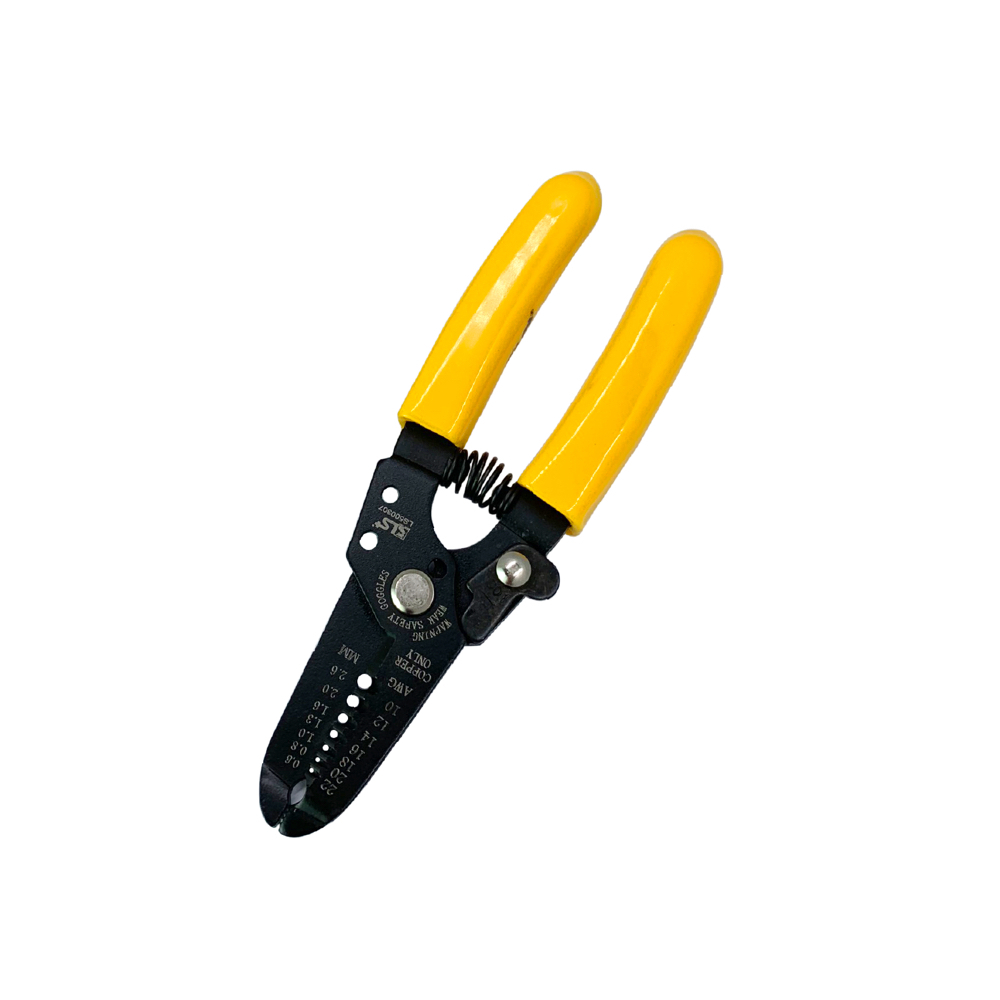
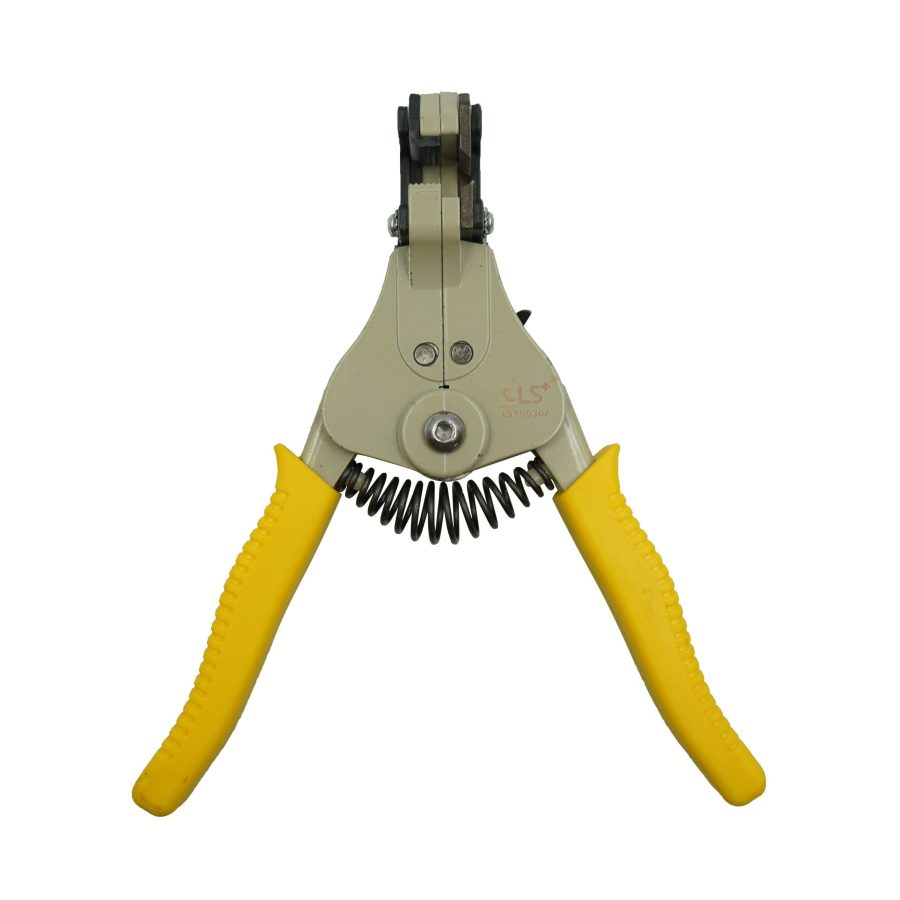
Usage Principle: Identify the wire gauge and adjust the stripper accordingly (if it's an adjustable type). Insert the wire into the stripping slot and squeeze the handles as per the manufacturer's instructions. Pull gently to remove the insulation.
Advantages: Strips wire insulation quickly and accurately, ensuring the conductor's integrity and improving electrical work efficiency. Automatic strippers save time and effort.
Disadvantages: Requires selecting the correct stripper for each wire type to avoid damaging the wire. Automatic models are more expensive.
Selecting genuine hand tool pliers is crucial for ensuring work efficiency, labor safety, and tool longevity, especially for LS+ Pliers. At Hà Thành Co., Ltd. Ho Chi Minh City Branch, we are proud to offer customers a diverse product catalog, meeting all needs from civil construction to industrial projects.
We provide a full range of LS+ Pliers as mentioned above: from locking pliers, rivet pliers, crimping pliers, bolt cutters, nail puller pliers, groove joint pliers, circlip pliers, to cutting pliers, electrical pliers, needle-nose pliers, and wire strippers. All LS+ Pliers products come from reputable brands, ensuring high quality and durability.
Furthermore, hathanhtools.com offers a diverse range of products in other categories such as gardening tools, consumables, power tools, battery-powered tools, and general tools. We are committed to providing comprehensive solutions for all projects.
Beyond providing quality products, hathanhtools.com also focuses on after-sales service. We have professional warranty, maintenance, and technical support policies, ensuring customers always receive the best assistance during product usage.
For detailed product and service consultations, please contact us:
Hà Thành Co., Ltd. Ho Chi Minh City Branch
Address: 35 Nguyen An Khuong, Ward Cho Lon, Ho Chi Minh City
Hotline: 0902.8888.02
Email: cskh@hathanhls.com
Website: https://hathanhtools.com

Company Address: 35 Nguyễn An Khương, Chợ Lớn Ward, Ho Chi Minh City
Tax ID: 0100108529-006
Hotline: 0966909456
Email: cnhathanh35@gmail.com
Website: hathanhtools.vn - Hathanhtools.com - Hathanhtools.com.vn
Hotline: 0902 888 802
Warranty: 0933 353 456
Complaints: 0966 909 456
Email: info@hathanhtools.com